Introduction
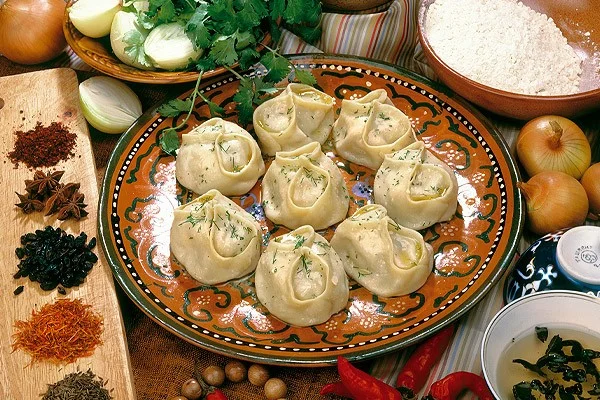
manty kazakh near me is more than a search for a nearby meal; it can also be an invitation to discover one of Central Asia’s most comforting culinary traditions. Kazakh manty are steamed dumplings typically filled with seasoned meat and onions, although recipes vary between households and regions. Their appeal lies in their simplicity: tender dough, a fragrant filling, and the warmth of food prepared slowly. For diners unfamiliar with Kazakh cuisine, finding manty nearby can therefore become a small but meaningful introduction to the flavors, hospitality, and food culture of Kazakhstan.
Why Kazakh Manty Have Become a Dish Worth Seeking Out
Manty occupy an interesting place in Central Asian cuisine because they are both everyday comfort food and a dish associated with hospitality. Although related steamed dumplings appear across several countries, Kazakh preparations have their own character, particularly through the use of meat, onions, spices, and generous portions.
Moreover, manty are designed to be satisfying without relying on complicated presentation. The dough holds the filling together while steaming keeps the texture soft and preserves the savory juices inside. As a result, a well-made serving can feel substantial, aromatic, and deeply comforting from the first bite.
What to Look For When Searching Nearby
When someone searches manty kazakh near me, proximity is obviously important, but it should not be the only consideration. A restaurant’s menu, preparation style, reviews, and reputation for Central Asian cooking can tell you much more about what to expect.
Ideally, look for a restaurant that specializes in Kazakh, Uzbek, Central Asian, or broader Eurasian cuisine. In addition, check whether the menu describes the dumplings as steamed and identifies the filling. Photos can also be useful because authentic manty generally have a handmade appearance rather than looking like standardized frozen dumplings.
The Flavor Profile Behind a Good Plate
The pleasure of manty begins with balance. The dough should be thin enough to complement the filling while remaining strong enough to hold the juices. Inside, minced meat and onion create a rich combination, while seasoning adds depth without overwhelming the central ingredients.
Furthermore, the steaming process gives the dumplings a distinctive softness. Unlike fried dumplings, manty do not depend on a crisp exterior for character. Instead, their appeal comes from tenderness, warmth, aroma, and the contrast between delicate dough and a hearty filling.
Kazakh Food Culture on the Table
Food in Kazakhstan has developed through centuries of movement, pastoral traditions, regional exchange, and family cooking. Consequently, dishes such as manty can be understood not simply as recipes but as expressions of a wider culinary culture.
Sharing steamed dumplings also suits the social nature of Central Asian dining. A large plate placed in the center of a table naturally encourages people to eat together. Therefore, ordering manty can feel less like choosing an individual snack and more like participating in a communal meal.
How Manty Compare With Other Dumplings
Manty belong to a broad family of filled dough dishes found across Asia and neighboring regions. However, similarities should not erase the differences. Their preparation, filling, seasoning, size, and serving traditions can vary considerably from one culinary culture to another.
| Dish | Culinary tradition | Common preparation | Typical character |
|---|---|---|---|
| Kazakh manty | Kazakhstan/Central Asia | Steamed | Soft, juicy, savory |
| Manti | Turkey and surrounding regions | Usually steamed or boiled | Smaller, richly seasoned |
| Buuz | Mongolia | Steamed | Meat-forward and hearty |
| Dumplings | East Asia and wider Asia | Steamed, boiled, or fried | Highly varied |
The comparison is useful because it shows how dumpling traditions can share an ancient culinary idea while developing distinct regional identities.
The Importance of the Dough
It is easy to focus entirely on the filling, yet the dough is equally important. A successful manty wrapper should be supple and sufficiently thin, but it must also survive steaming without breaking.
Moreover, the texture of the dough influences how the filling is experienced. If it is excessively thick, the dish may feel heavy. If it is too delicate, the dumpling can lose its structure. Thus, handmade dough often becomes one of the clearest signs of care in preparation.
Meat, Onion, and the Heart of the Filling
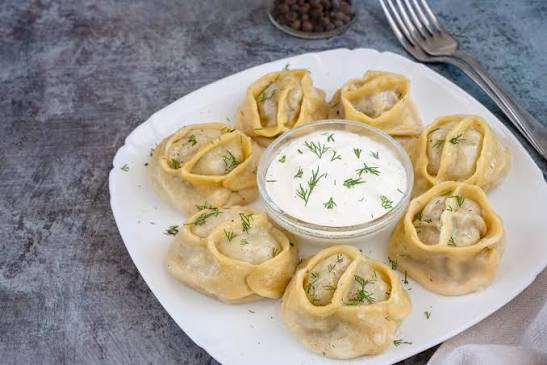
Traditional meat fillings give manty their unmistakable savory character. Depending on the recipe, cooks may use lamb, beef, or other meats, while onions contribute sweetness and moisture. The combination is simple, but that simplicity allows quality ingredients to become the focus.
Interestingly, the onion is not merely an additional ingredient. It helps create the juicy interior that makes steamed dumplings particularly enjoyable. When combined with seasoned meat, it produces a filling that feels rich without requiring an elaborate sauce.
The Experience of Finding Manty Nearby
Searching for manty kazakh near me can also become a broader food adventure. Instead of choosing solely according to distance, diners can explore restaurants that introduce them to other Central Asian specialties.
For example, a menu may offer plov, lagman, samsa, shorpo, or other regional dishes alongside manty. Consequently, one plate can become the starting point for discovering an entire culinary tradition rather than a single unfamiliar item.
What Makes a Restaurant Worth Returning To?
A memorable restaurant experience usually depends on more than one successful dish. Consistency matters. So does freshness, hospitality, portion quality, cleanliness, and the feeling that the food is being prepared with genuine attention.
For manty specifically, diners should notice whether the dough is tender, whether the filling remains juicy, and whether the seasoning feels balanced. Likewise, friendly service can add another dimension to the experience, particularly when staff are willing to explain unfamiliar dishes.
A Dish That Connects Home Cooking and Restaurant Culture
One reason manty remain compelling is their connection to home kitchens. Steamed dumplings are labor-intensive enough to carry a sense of occasion, yet familiar enough to remain part of everyday food culture.
That combination gives the dish emotional depth. A restaurant serving good manty is not merely reproducing a recipe; ideally, it is offering diners a glimpse into a culinary tradition where preparing food and sharing it are closely connected.
Frequently Asked Questions
What are Kazakh manty?
Kazakh manty are steamed dumplings generally made with dough and a savory filling, commonly minced meat and onions. Recipes can differ according to family and region.
Are manty similar to other Central Asian dumplings?
Yes. They belong to a wider family of dumpling traditions found throughout Central Asia and nearby regions. However, ingredients, shaping, seasoning, and serving styles differ.
What meat is commonly used in manty?
Lamb and beef are common choices, although individual restaurants and families may use different meats or combinations.
How should I choose a place serving manty?
Consider restaurants specializing in Kazakh or Central Asian cuisine, then check recent reviews, menu descriptions, photographs, and comments about freshness and handmade preparation.
Conclusion
Ultimately, the search for manty kazakh near me is about more than finding something filling within a convenient distance. It offers an opportunity to encounter a dish shaped by Central Asian history, family traditions, hospitality, and practical cooking wisdom. The best manty bring together simple ingredients in a remarkably satisfying form: tender dough surrounding a fragrant, juicy filling.