georgian pkhali near me: When a Local Search Leads to Georgian Culture
georgian pkhali near me is more than a search for a particular appetizer; it can be the beginning of a small culinary discovery. Pkhali is one of Georgia’s most recognizable vegetable-based dishes, combining cooked or finely chopped vegetables with walnuts, herbs, garlic, vinegar, and traditional seasonings. Consequently, finding it nearby can offer diners something quite different from the usual restaurant experience. Instead of relying heavily on meat or dairy, pkhali demonstrates how Georgian cuisine transforms simple ingredients into dishes that are colorful, textured, aromatic, and deeply connected to hospitality.
What Makes Pkhali So Distinctive?
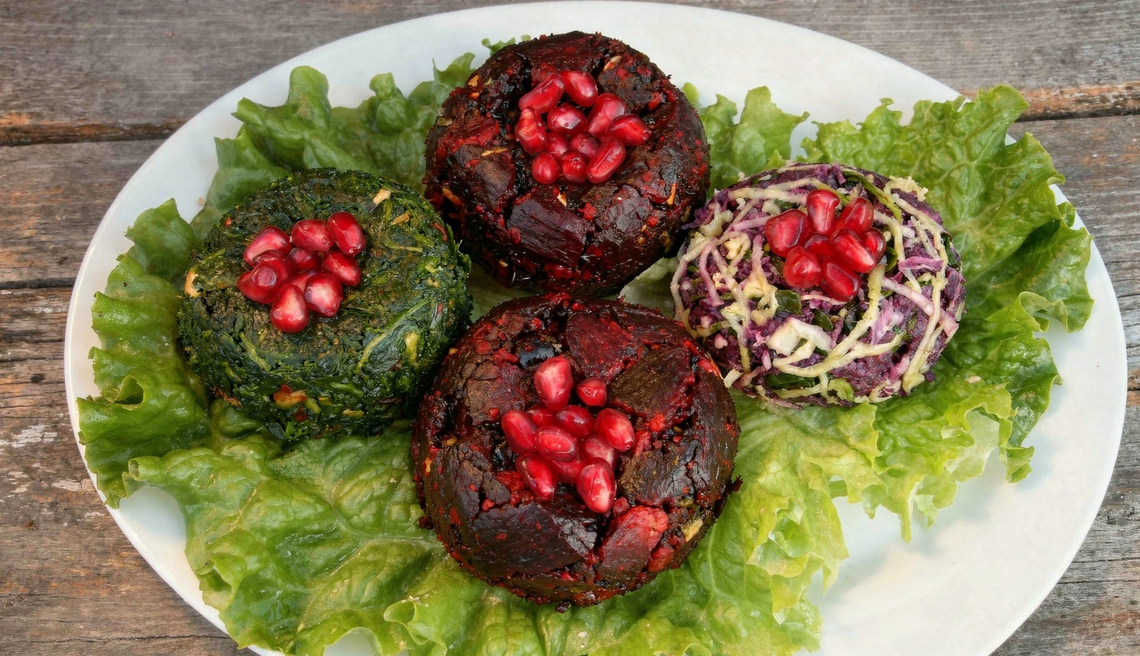
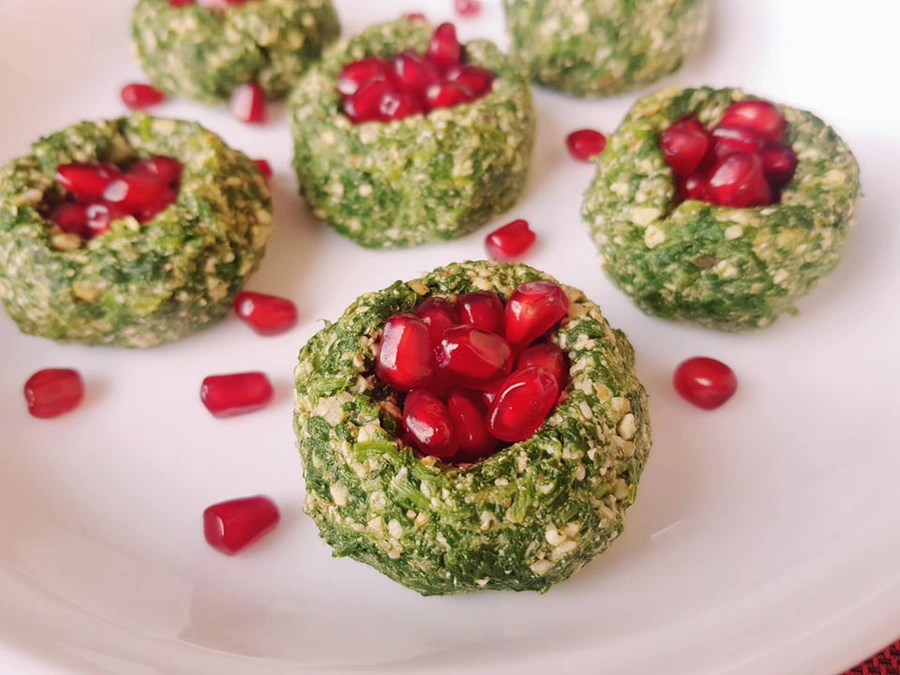
Pkhali occupies an interesting place in Georgian food culture because it is less about one fixed ingredient and more about a distinctive preparation style. Spinach, beetroot, eggplant, cabbage, beans, and other vegetables can become the foundation, while ground walnuts provide richness and herbs bring freshness. Meanwhile, garlic and acidity prevent the mixture from becoming heavy. The finished dish is often shaped into small portions or decorative mounds and presented alongside other foods. Therefore, pkhali feels both rustic and carefully composed, reflecting Georgia’s appreciation for generous shared meals.
Why Searching for georgian pkhali near me Can Be Worthwhile
For someone unfamiliar with Georgian cuisine, searching for georgian pkhali near me can reveal restaurants and cafés that serve food rarely found on conventional menus. More importantly, pkhali offers an accessible introduction to Georgian flavors because its ingredients are recognizable even when the combinations are unfamiliar. The earthy sweetness of vegetables, richness of walnuts, brightness of herbs, and gentle sharpness of vinegar create a balanced profile. Furthermore, because several varieties may appear on one plate, diners can experience contrasting colors and flavors without committing to a single unfamiliar dish.
The Vegetable Foundations Behind Different Pkhali Varieties
One of the most appealing aspects of pkhali is its versatility. Different vegetables create entirely different expressions of the same culinary idea, which means a restaurant serving several varieties can provide a miniature tour of Georgian vegetable cooking. Beetroot tends to offer a naturally sweet, earthy character, while spinach creates a greener and softer profile. Eggplant can bring a deeper, more substantial texture, whereas beans provide a heartier bite. As a result, ordering an assortment can be more interesting than choosing only one version.
| Pkhali Style | Main Character | What to Expect |
|---|---|---|
| Beetroot pkhali | Earthy and subtly sweet | Vibrant color with walnut richness |
| Spinach pkhali | Fresh and herbal | Softer texture and greener flavor |
| Eggplant pkhali | Deep and savory | Richer vegetable character |
| Bean pkhali | Hearty and filling | Dense texture with aromatic seasoning |
| Cabbage pkhali | Light and crisp | Distinctive vegetable freshness |
How to Recognize Good Pkhali on a Restaurant Menu
When evaluating georgian pkhali near me results, the menu itself can provide useful clues. A restaurant that explains its Georgian dishes, lists different pkhali varieties, or describes ingredients such as walnuts, coriander, garlic, and herbs is often giving diners a better sense of what they are ordering. Additionally, presentation can tell part of the story. Traditionally inspired pkhali is frequently served in small portions and may be decorated with herbs, pomegranate seeds, or walnut pieces. However, appearance should complement flavor rather than replace it.
Pkhali and the Georgian Tradition of Shared Eating
Georgian dining is strongly associated with communal eating, and pkhali fits naturally into that environment. Rather than functioning only as an individual starter, it can become part of a larger table filled with breads, salads, vegetables, grilled foods, sauces, and other specialties. This approach changes how the dish is experienced. Instead of eating quickly and moving on, diners can taste a little, share a little, and compare flavors across the table. In that sense, pkhali represents an important Georgian idea: food becomes especially meaningful when it creates conversation.
What to Order Alongside Pkhali
A plate of pkhali becomes even more enjoyable when paired thoughtfully with other Georgian dishes. Warm Georgian bread can provide a simple contrast to the cool vegetable mixture, while grilled meats introduce smoky and savory flavors. Khachapuri can add richness, although its cheese-heavy character makes it a very different experience from pkhali. Likewise, fresh herbs and salads can keep a shared meal balanced. For first-time diners, ordering several small dishes is often preferable because Georgian cuisine is particularly rewarding when different textures, aromas, and flavors appear together.
Finding the Right Place for georgian pkhali near me
Searching for georgian pkhali near me is only the first step; deciding where to eat requires a little attention. Restaurant reviews can indicate whether diners appreciate authenticity, freshness, portion size, and presentation. Menu photographs may also help, especially when pkhali is unfamiliar. However, it is worth remembering that recipes differ between restaurants and cooks. A particularly bright beetroot version at one establishment may taste quite different from another. Therefore, the best choice is often the restaurant that treats Georgian food as a complete culinary tradition rather than simply adding one unusual appetizer to its menu.
A Dish That Makes Vegetables the Center of Attention
Perhaps pkhali’s greatest appeal is the way it challenges assumptions about vegetable dishes. Vegetables are not treated as secondary components waiting beside meat; instead, they become the foundation of the dish. Walnuts contribute body, herbs contribute aroma, and seasonings create complexity. Consequently, a small serving can feel surprisingly substantial without becoming overwhelming. This quality also makes pkhali interesting for modern diners who are exploring plant-forward cooking. Long before contemporary menus began emphasizing vegetables as culinary stars, Georgian cooks had already developed sophisticated ways to make them memorable.
Why georgian pkhali near me Reflects a Broader Food Discovery
The popularity of searches such as georgian pkhali near me reflects a wider curiosity about regional cuisines and traditional foods. Diners increasingly want meals that carry a sense of place, history, and identity rather than simply providing calories. Pkhali answers that interest beautifully because it connects everyday vegetables with Georgian techniques and communal dining traditions. Moreover, its visual appeal makes it naturally suited to contemporary restaurant culture. Yet beneath the colorful presentation remains a straightforward philosophy: carefully prepared ingredients, balanced seasoning, and food designed to be enjoyed together.
Frequently Asked Questions About Pkhali
Is pkhali vegetarian?
Traditional pkhali is generally vegetable-based and commonly prepared with walnuts, herbs, garlic, and seasonings. However, ingredients can vary between restaurants, so checking the menu or asking the staff is sensible.
Is pkhali served hot or cold?
Pkhali is commonly served cool or at room temperature rather than steaming hot. This makes it particularly suitable as an appetizer or part of a shared Georgian meal.
What does pkhali taste like?
Its flavor depends on the vegetable used, but walnut richness, fresh herbs, garlic, and acidity are characteristic. The result is usually savory, earthy, aromatic, and pleasantly tangy.
Can beginners enjoy pkhali?
Absolutely. Because the dish uses familiar vegetables while introducing Georgian seasoning, it can be an approachable first step into the cuisine. Ordering several varieties also makes comparison enjoyable.
Conclusion: georgian pkhali near me Can Become a Culinary Adventure
georgian pkhali near me may begin as a simple local food search, but the dish it leads to carries considerably more meaning. Pkhali demonstrates how Georgian cuisine can turn vegetables, walnuts, herbs, and seasonings into something elegant without losing its connection to everyday cooking. Furthermore, its communal character encourages diners to slow down and share rather than simply order a single plate. For anyone curious about Georgian food, finding a good serving of pkhali is not merely about trying another appetizer. It is an invitation to experience a cuisine built around generosity, balance, and tradition.