
Traditional Argentine Food and the Stories Behind Every Meal
Traditional Argentine Food offers a fascinating introduction to Argentina’s cultural heritage, where European influences, Indigenous ingredients, and regional traditions come together. From smoky barbecue and freshly baked empanadas to comforting stews and sweet pastries, every dish reflects a different aspect of the country’s identity. Moreover, Argentine meals often bring families and friends together, turning ordinary dining into a meaningful social experience. Understanding this cuisine means looking beyond recipes to explore the people, landscapes, and customs that have helped these flavours remain important across generations.
Argentine Asado and the Tradition of Gathering Around Fire
Asado is one of Argentina’s most celebrated culinary traditions. It involves grilling beef, pork, sausages, and other ingredients over wood embers or charcoal, often using a parrilla, a traditional grill. However, the preparation is just as significant as the final meal. The person tending the fire may spend hours managing the heat while guests talk, relax, and enjoy the atmosphere. Consequently, asado represents hospitality, patience, and togetherness. Sunday gatherings, family celebrations, and holidays frequently provide opportunities to enjoy this distinctive combination of cooking and community.
Empanadas: Small Pastries with Regional Character
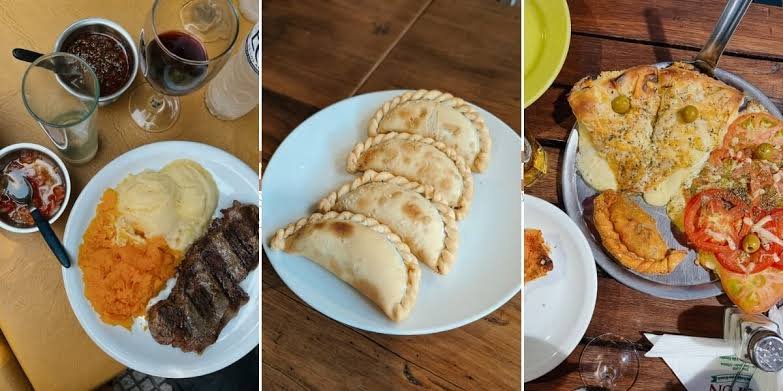
Empanadas demonstrate how traditional Argentine cooking adapts to local tastes. These baked or fried pastries contain fillings that commonly include seasoned beef, chicken, cheese, onions, or vegetables. In Salta, regional recipes may feature potatoes and distinctive spices, while other provinces favour different combinations of ingredients. Furthermore, the way empanadas are folded can sometimes help identify their fillings. Their convenient size makes them suitable for picnics, parties, lunches, and street-food meals. Although similar pastries exist elsewhere, Argentine empanadas have developed their own identity through regional recipes and family traditions.
Milanesa and the Comfort of Everyday Argentine Cooking
Milanesa is a familiar favourite in Argentine homes, restaurants, and neighbourhood cafés. Thin slices of beef or chicken are coated in breadcrumbs and cooked until the exterior becomes crisp and golden. They are commonly served with mashed potatoes, salad, or fries. Another popular variation, milanesa napolitana, adds tomato sauce, ham, and melted cheese. Although European culinary influences helped shape the dish, Argentine cooks have made it a staple of everyday dining. Its appeal lies in its simplicity, satisfying texture, and ability to bring a familiar sense of comfort to the table.
Locro: A Hearty Dish Rooted in History
Locro is a thick stew associated particularly with Argentina’s northwestern regions and Andean culinary traditions. Recipes often combine corn, beans, squash, and meat, creating a nourishing dish suited to cooler weather and communal gatherings. The ingredients are cooked slowly, allowing their flavours to develop into a rich, substantial meal. Importantly, locro also appears during national celebrations, especially on 25 May and 9 July. During these occasions, restaurants, community groups, and households prepare their own versions. Therefore, the dish connects everyday cooking with historical memory and the celebration of Argentine identity.
Choripán and the Energy of Argentine Street Food
Choripán is a simple but distinctive combination of grilled chorizo sausage and crusty bread. It is often served with chimichurri, whose fresh herbs and acidity complement the smoky sausage. The sandwich is especially popular at football matches, outdoor events, roadside grills, and neighbourhood gatherings. Unlike elaborate restaurant dishes, choripán relies on straightforward ingredients and careful grilling. As a result, the quality of the sausage, bread, and sauce makes a substantial difference. Its popularity also shows how street food can become closely associated with national culture and shared public experiences.
Chimichurri: The Sauce That Complements Argentine Grilling
Chimichurri adds freshness and flavour to many Argentine barbecue meals. Common ingredients include parsley, garlic, oregano, vinegar, oil, and chilli, although recipes vary from one household to another. Some versions are bright and acidic, while others have a stronger herbal or spicy character. Rather than hiding the flavour of grilled meat, chimichurri complements it. Additionally, the sauce works well with roasted vegetables, sandwiches, and other grilled foods. Its widespread use illustrates how a small collection of everyday ingredients can become an essential element of a country’s culinary identity.
Argentine Pasta and the Legacy of Italian Immigration
Italian immigration profoundly influenced Argentina’s food culture, particularly in Buenos Aires and other urban centres. Pasta dishes such as ravioli, ñoquis, and tallarines are common choices for family lunches and restaurant meals. Pizza has also developed distinctive local styles, frequently featuring generous cheese toppings and substantial crusts. Meanwhile, fugazzeta combines cheese and onions in a rich, satisfying preparation. These dishes reveal how immigrant communities introduced familiar recipes and adapted them to new surroundings. Over time, the resulting traditions became part of Argentina’s broader culinary identity rather than remaining separate from local culture.

Dulce de Leche and the Sweet Side of Argentina
Dulce de leche is a thick, caramel-coloured preparation made by slowly heating sweetened milk. Its smooth texture and rich flavour make it a popular filling for cakes, biscuits, pastries, and other desserts. It is especially important in alfajores, which consist of two biscuits joined by a layer of filling. Some varieties are coated in chocolate, while others feature coconut or a light dusting of sugar. Beyond its versatility, dulce de leche often evokes memories of homemade treats, family celebrations, and traditional bakeries. Consequently, it remains one of Argentina’s most recognisable sweet ingredients.
Alfajores: A Small Treat with Lasting Popularity
Alfajores hold a special place in Argentine confectionery. These sandwich biscuits are commonly filled with dulce de leche, although fillings and coatings differ according to the recipe. Chocolate-covered versions offer a richer taste, while simpler varieties highlight the texture of the biscuits and their creamy centre. They are sold in bakeries, supermarkets, cafés, and specialist confectionery shops. Moreover, alfajores are frequently shared with friends or given as gifts. Their popularity reflects the importance of small everyday pleasures in Argentine food culture, where a familiar sweet can create a connection between people and places.
Argentine Cuisine Beyond Beef and Barbecue
Although beef is strongly associated with Argentina, the country’s cuisine extends well beyond grilled meat. Regional cooking includes vegetable-based stews, freshwater fish, corn dishes, pastries, and a variety of baked goods. In the northwest, Indigenous culinary traditions influence the use of corn, squash, and local seasonings. Patagonia is known for lamb and trout, while northeastern areas offer ingredients associated with warmer climates and river environments. Therefore, exploring Argentine food through regional specialities provides a more complete understanding of the country’s agricultural resources, cultural history, and diverse eating habits.
Mate and the Social Ritual of Sharing
Mate is a traditional infusion prepared from yerba mate leaves and hot water. It is commonly served in a small vessel and sipped through a filtered metal straw called a bombilla. Although it is not a meal, mate plays an important role in Argentina’s daily routines. People enjoy it at home, during work breaks, in parks, and while visiting friends. Sharing mate can create a relaxed setting for conversation, making the ritual as meaningful as the beverage itself. In this way, Argentine food culture extends beyond eating to include the habits that strengthen social relationships.
How Argentine Food Traditions Continue Across Generations
Traditional recipes remain alive because families and communities continue to prepare them. Grandparents may teach younger relatives how to season empanada fillings, prepare homemade pasta, or manage the fire during an asado. At the same time, local restaurants and bakeries help preserve familiar flavours for people who do not cook at home. Seasonal celebrations also encourage communities to revisit dishes associated with their history. Although ingredients and preparation methods may change, these shared experiences maintain a connection between past and present. Food becomes a practical way to preserve cultural knowledge without preventing new interpretations.
Conclusion: The Enduring Appeal of Argentina’s Culinary Heritage
Traditional Argentine Food tells a story of cultural exchange, regional diversity, and the importance of sharing meals. Asado represents hospitality, empanadas celebrate local creativity, locro connects food with national history, and alfajores bring sweetness to everyday occasions. Meanwhile, pasta, pizza, and other immigrant-influenced dishes demonstrate how culinary traditions evolve when people make new places their home. Ultimately, Argentina’s food culture is much more than a collection of famous recipes. It is a living expression of memory, community, and identity, carried forward whenever people gather around a table and share something meaningful.