best chairo soup near me: When a Search Becomes a Food Journey
best chairo soup near me is more than a practical search for a warm meal. It can also be the beginning of a small culinary discovery, especially for diners who want something hearty, unfamiliar, and rooted in tradition. Chairo is a traditional Andean soup associated particularly with Bolivia and neighboring highland food cultures. Rich, substantial, and deeply comforting, it reflects the ingredients, climate, and everyday ingenuity of mountain communities. Therefore, finding a good bowl nearby is not simply about convenience; it is about experiencing a dish shaped by geography and generations of home cooking.
What Makes Chairo Different From an Ordinary Soup?
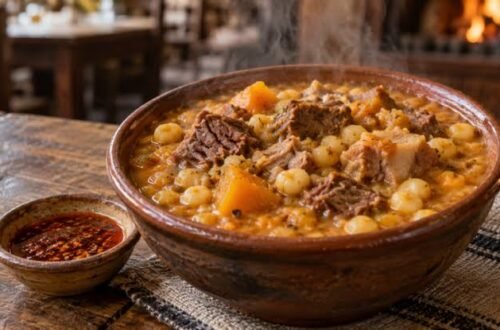
Chairo stands apart because it is designed to be filling rather than delicate. Traditionally, the soup can combine potatoes, chuño or dried potato, vegetables, grains, herbs, and meat, although recipes vary considerably between households and regions. The result is usually thick, savory, and layered with contrasting textures. Moreover, ingredients such as chuño connect the dish to an ancient Andean preservation technique, demonstrating how food traditions often develop in response to difficult environments. For a diner, that history adds another dimension to what might initially appear to be a simple bowl of soup.
Why Searching Locally Can Lead to a Better Discovery
When someone types best chairo soup near me, the search often reflects a desire for authenticity as much as proximity. Local restaurants serving Bolivian or broader Latin American cuisine may prepare the dish according to family recipes, regional customs, or restaurant traditions. Consequently, two bowls of chairo can taste surprisingly different. One may emphasize herbs and vegetables, while another may offer a richer broth and heartier portions. Looking beyond the nearest result can therefore be worthwhile, particularly when reviews mention traditional preparation, generous servings, or distinctive regional flavor.
The Cultural Story Inside a Bowl
Chairo carries the character of the Andes. Highland cooking historically relied on ingredients capable of surviving challenging conditions, and preservation played an important role in food security. Chuño, produced through a traditional freeze-drying process involving potatoes, is particularly significant in this culinary landscape. Furthermore, the soup demonstrates how practical cooking can become cultural heritage. Families adapt recipes, restaurants reinterpret them, and communities continue passing familiar flavors to younger generations. As a result, chairo is not merely something to consume quickly; it can represent memory, place, adaptation, and identity.
How to Recognize a Promising Chairo Spot
A useful search should go beyond star ratings. Instead, diners can examine menus, recent customer comments, photographs, portion descriptions, and references to traditional ingredients. Restaurants with a clear connection to Bolivian cuisine may provide stronger context for the dish. Likewise, recent reviews can reveal whether the soup is consistently available or offered only on particular days. Because traditional dishes are sometimes prepared in limited quantities, checking before visiting can prevent disappointment. Ultimately, the best choice combines convenient location with evidence that the kitchen takes the dish seriously.
| What to Look For | Why It Matters |
|---|---|
| Traditional ingredients | They can provide the distinctive texture and flavor associated with chairo |
| Recent reviews | They offer clues about current quality and availability |
| Bolivian or Andean menu | It may indicate greater familiarity with traditional preparation |
| Photographs | Useful for understanding portion size and presentation |
| Daily specials | Chairo may not always be available every day |
Flavor, Texture, and the Experience of Eating Chairo
The appeal of chairo comes partly from contrast. Potatoes and grains create substance, vegetables contribute freshness, while herbs can bring an earthy or aromatic quality. Meanwhile, preserved ingredients may provide textures unfamiliar to diners accustomed to conventional soups. This makes the first spoonful an introduction rather than simply a meal.
However, the experience also depends on context. A steaming bowl on a cold evening can feel particularly satisfying, while sharing the dish with friends can turn a restaurant visit into a cultural experience. In that sense, chairo fits naturally into the broader tradition of comfort foods: dishes that nourish while also creating a feeling of belonging.
Why Authenticity Does Not Mean One Exact Recipe
There is sometimes a misconception that an authentic traditional dish must follow one universally fixed recipe. In reality, food cultures are rarely that simple. Ingredients, availability, family habits, regional identities, and migration all influence how dishes evolve. Chairo is no exception.
Therefore, diners should not immediately dismiss a variation because it differs from another bowl they have tried. A restaurant may be reflecting a particular regional tradition or adapting ingredients to its local setting. The more useful question is whether the dish has a coherent culinary identity and whether its ingredients work together thoughtfully.
The Growing Appeal of Andean Comfort Food
As diners become more interested in regional cuisines, dishes such as chairo offer an alternative to globally familiar soups. People increasingly look for foods with stories, distinctive ingredients, and connections to specific communities. Consequently, traditional Andean cooking has an opportunity to introduce wider audiences to flavors that have long existed outside mainstream restaurant culture.
Searches for best chairo soup near me also illustrate how digital discovery is changing food culture. A person who has never encountered the dish can now find a restaurant, read customer experiences, view photographs, and decide to try it within minutes. Technology, therefore, can help obscure culinary traditions reach curious new audiences.
A Simple Approach to Finding Your Ideal Bowl
Start by searching locally, but do not stop at the first result. Compare several restaurants and pay attention to how they describe their chairo. If the menu explains its ingredients or culinary background, that can be a positive sign. Next, look at recent reviews rather than relying solely on an overall rating. Finally, call ahead if availability matters.
Most importantly, approach the dish with curiosity. A first experience does not need to match the flavors of a familiar chicken or vegetable soup. Its uniqueness is part of its appeal.
Frequently Asked Questions
What is chairo soup?
Chairo is a traditional Andean soup commonly associated with Bolivian cuisine. It can contain potatoes, chuño, vegetables, grains, herbs, and meat, depending on the recipe and region.
Is chairo soup spicy?
Usually, chairo is not defined primarily by intense heat. Its flavor tends to come from herbs, vegetables, broth, preserved potato, and other ingredients, although individual restaurants may add different seasonings.
What is chuño?
Chuño is a traditional Andean form of freeze-dried potato. It has a distinctive texture and can be an important ingredient in traditional chairo preparations.
Where can I find chairo?
Look for Bolivian, Andean, or Latin American restaurants in your area. Because availability varies, checking current menus or contacting the restaurant beforehand is advisable.
What should I expect when trying chairo for the first time?
Expect a hearty, filling soup with multiple textures and earthy, savory flavors. The experience may be quite different from familiar Western soups, which is precisely what makes it interesting.
Conclusion: More Than Finding a Soup Nearby
The search for best chairo soup near me ultimately opens a door to something larger than convenience. It connects a modern digital habit with an old culinary tradition shaped by the Andes, preservation, climate, family cooking, and community memory. While the ideal bowl will always depend on personal taste, the most rewarding experience comes from approaching the dish with curiosity.