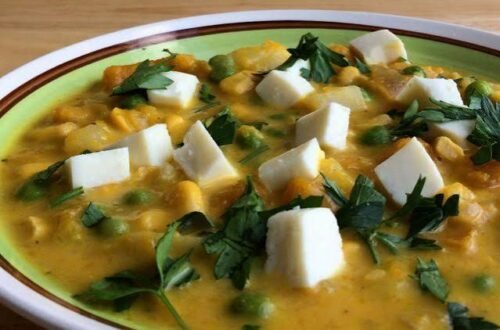
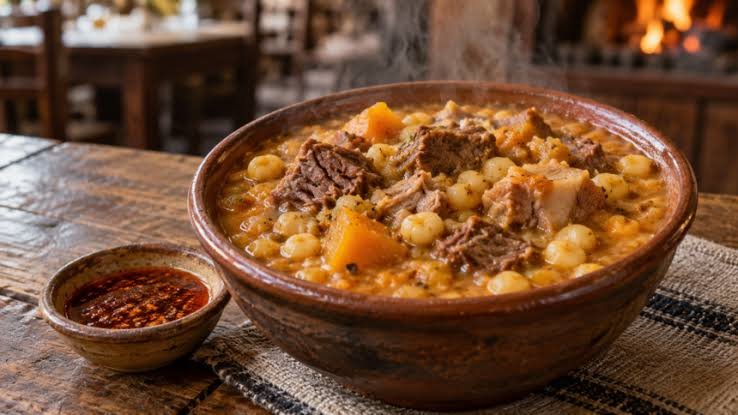
best locro argentino near me is more than a search for a warm bowl of food. For many diners, it becomes a search for history, identity, family, and the flavors of Argentina itself. Locro is a substantial traditional stew associated with Indigenous and Andean culinary traditions and deeply connected with Argentine national celebrations. Made with ingredients such as corn, beans, squash, and meat, it carries the character of slow cooking and communal eating. Consequently, finding an authentic bowl nearby can offer far more than a satisfying meal; it can provide a small encounter with Argentine culture.
Why Locro Holds a Special Place in Argentine Food Culture
Locro has a remarkable ability to connect everyday cooking with national history. Although its origins reach back to Indigenous food traditions of the Andes, the dish developed through centuries of cultural exchange. Today, it is particularly associated with important Argentine dates, including May 25, when people commemorate the May Revolution.
Moreover, locro reflects a style of cooking built around patience rather than speed. Ingredients are simmered together until their flavors become deeply integrated. As a result, the dish feels rustic, substantial, and comforting, qualities that have helped preserve its popularity across generations.
What to Expect From an Authentic Bowl
When searching for the best locro argentino near me, understanding the dish itself makes the experience more rewarding. Traditional versions commonly combine white corn or hominy, beans, squash, and meat. Depending on the region and cook, pork, beef, chorizo, or other ingredients may contribute to the final character.
However, there is no single universal recipe. Family traditions can influence texture, seasoning, and the balance between vegetables and meat. Some versions are thick and hearty, while others have a more stew-like consistency. Therefore, authenticity is often better understood through tradition and preparation than through one rigid ingredient list.
| Element | What It Contributes |
|---|---|
| Corn or hominy | Body, texture, and traditional character |
| Beans | Hearty texture and richness |
| Squash | Mild sweetness and creaminess |
| Meat | Savory depth and substance |
| Aromatic seasonings | Fragrance and regional personality |
Finding the Best Locro Argentino Near Me Without Losing the Tradition
A local search can reveal restaurants, Argentine cafés, bakeries, food markets, and independent cooks offering locro. Yet proximity alone does not necessarily tell you whether the dish reflects traditional preparation.
Instead, look for places that explain their Argentine culinary background or describe how their locro is prepared. Menus that identify regional influences can also provide useful clues. Additionally, restaurants serving other Argentine specialties may have a stronger connection to the culinary traditions behind the dish.
Because locro is often prepared slowly and in substantial quantities, availability can vary. Calling ahead or checking the menu before visiting can therefore save time, particularly outside Argentine holidays or colder months.
The Seasonal Appeal of Locro
There is something especially natural about eating locro when the weather turns cool. Its thick texture and slow-cooked ingredients create the kind of meal associated with warmth and lingering conversations. Nevertheless, its importance extends beyond seasonal comfort.
In Argentina, locro has a strong connection with communal celebrations. Families and communities may prepare large quantities for gatherings, allowing the dish to function almost as a social ritual. Consequently, ordering a bowl at a restaurant can feel connected to a much larger tradition of sharing food around a common table.
Regional Character Behind the Bowl
Argentina’s cuisine is not one uniform tradition. Geography has shaped local cooking, and locro is an excellent example of that diversity. Northern provinces have particularly strong connections to Andean and Indigenous culinary traditions, while different households and communities have developed their own interpretations.
Furthermore, ingredients can change according to availability and family custom. One cook might emphasize squash and vegetables, while another might create a richer version with several types of meat. These differences should not automatically be viewed as departures from authenticity. Instead, they demonstrate how traditional dishes remain alive by adapting to different kitchens and communities.
What Makes a Restaurant’s Version Memorable?
The best locro argentino near me should ideally offer more than a dish that simply resembles a traditional recipe. Texture matters, but so does balance. The corn and beans should contribute substance without overwhelming the other ingredients. Likewise, meat should add richness without making the stew excessively heavy.
Seasoning is equally important. A well-prepared locro can have layers of savory, earthy, and mildly sweet flavors. Often, a spicy condiment or aromatic sauce is served alongside it, allowing diners to adjust the intensity according to their preference.
Most importantly, the bowl should feel cohesive. Good locro is the result of ingredients spending enough time together for their individual flavors to become part of a larger whole.
Locro as a Story of Community
Food becomes culturally significant when people repeatedly attach memories to it. Locro has achieved that status for many Argentine families because it appears at celebrations, gatherings, holidays, and communal meals.
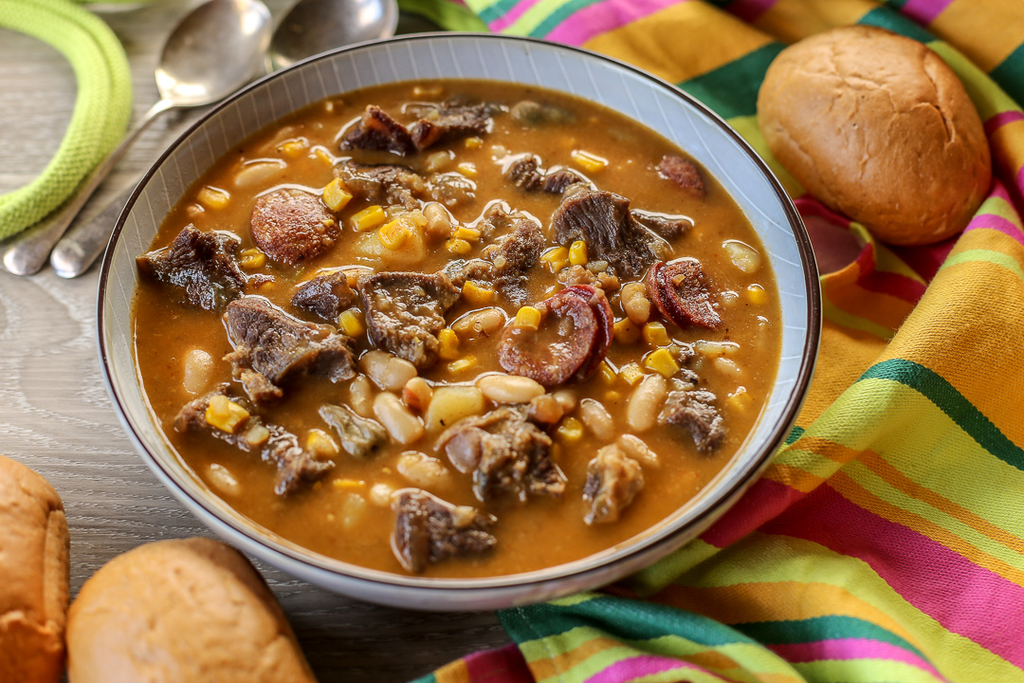
Moreover, its preparation naturally encourages sharing. A large pot is rarely made for only one person. It is designed for a table, a group, and an occasion. That quality helps explain why locro remains meaningful even as modern dining habits change.
For diners discovering Argentine cuisine for the first time, this social dimension can be just as important as the ingredients. The meal introduces not only a flavor profile but also a particular idea of hospitality.
How to Enjoy Your First Bowl
If you have never tried locro before, approach it as a slow, hearty stew rather than expecting the lightness of a typical soup. Notice the texture of the corn and beans first, then consider how the squash, meat, and seasonings interact.
Also, pay attention to accompaniments. A spicy sauce can change the character of each spoonful, creating a contrast with the richness of the stew. Pairing it with simple bread or another traditional Argentine accompaniment can make the meal feel more complete.
Above all, take your time. Locro is a dish that rewards attention rather than hurried eating.
Why the Search Is About More Than Location
The phrase best locro argentino near me suggests convenience, but the actual experience is often about discovery. A nearby restaurant may introduce someone to an unfamiliar national cuisine, while an authentic recipe can open a window into Argentina’s history and regional diversity.
Therefore, the most memorable discovery may not necessarily be the restaurant closest to your location. It may be the place where the food has a clear cultural identity, the preparation receives genuine attention, and the atmosphere encourages diners to understand what they are eating.
Frequently Asked Questions
What is locro argentino?
Locro argentino is a traditional Argentine stew commonly prepared with corn or hominy, beans, squash, and meat. Recipes vary considerably between regions and families.
Is locro spicy?
The stew itself is not necessarily very spicy. However, it may be accompanied by a spicy sauce or seasoning that diners can add according to their taste.
When is locro traditionally eaten in Argentina?
Locro is strongly associated with national celebrations, particularly May 25 and July 9. It is also enjoyed during colder weather and family gatherings.
Is locro vegetarian?
Traditional locro frequently contains meat, although vegetarian adaptations are possible. Restaurants may use vegetables, beans, corn, and squash while leaving out meat and animal-based ingredients.
What should I look for when ordering locro?
Consider the ingredients, preparation style, regional background, texture, and accompaniments. A restaurant that clearly explains its Argentine culinary traditions can provide useful context for first-time diners.
A Bowl That Carries Argentina With It
Searching for the best locro argentino near me can begin with a simple craving, but the dish itself carries a much deeper story. Its ingredients reflect Indigenous and regional traditions, its preparation emphasizes patience, and its presence at celebrations connects food with collective memory.
Ultimately, locro demonstrates why traditional dishes survive long after their original kitchens have changed. They remain valuable because people continue to cook them, share them, reinterpret them, and attach personal memories to every bowl. For anyone exploring Argentine cuisine, locro offers an especially satisfying introduction: hearty enough to comfort, distinctive enough to remember, and culturally rich enough to invite another visit.