
Introduction
best humintas near me is more than a search for a satisfying meal; it can also be a search for tradition served in an approachable, comforting form. Across parts of South America, humintas represent a food culture built around corn, family kitchens, seasonal ingredients, and recipes passed between generations. Today, diners looking for this specialty may encounter different interpretations depending on the restaurant, region, and cooking tradition. Consequently, finding the best humintas near me can become a small culinary journey—one that connects everyday dining with history, community, and the enduring appeal of handmade food.
Why Humintas Remain Such a Meaningful Traditional Food
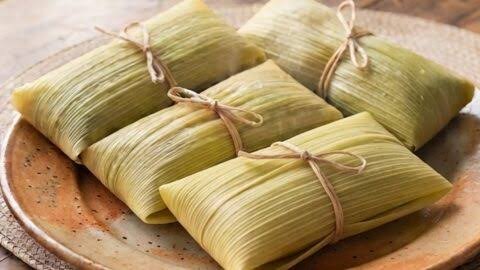
Humintas, sometimes spelled humitas depending on regional tradition, are closely associated with corn-based cooking in the Andes and neighboring South American cultures. Although recipes vary, fresh corn is commonly combined with ingredients such as cheese, herbs, onions, or spices before being wrapped and cooked.
What makes humintas particularly interesting is their simplicity. Rather than depending on elaborate presentation, they allow the natural character of corn to remain central. Moreover, their preparation reflects an older style of cooking in which available ingredients were transformed into filling and nourishing meals. That connection to everyday life helps explain why humintas continue to have cultural importance beyond their role as a restaurant dish.
Finding the Best Humintas Near Me Means Looking Beyond the Menu
When searching for the best humintas near me, it is tempting to focus only on ratings or photographs. However, a good huminta is often defined by details that are harder to capture online. Texture, freshness, seasoning, and preparation methods can significantly influence the final experience.
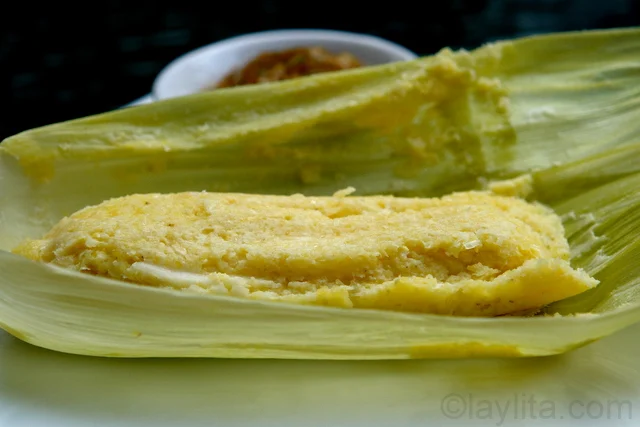
For example, freshly prepared corn can produce a naturally sweet and tender filling, while excessive seasoning may overwhelm its delicate flavor. Likewise, the wrapping and cooking process can affect moisture and texture. Therefore, diners should consider whether a restaurant emphasizes traditional preparation and freshly made food rather than simply offering humintas as another item on a large menu.
The Cultural Story Inside a Corn-Based Dish
Food traditions often survive because they carry memories. Humintas are a good example of this principle. In many households, corn-based dishes have historically been associated with family gatherings, local markets, agricultural cycles, and communal cooking.
Furthermore, recipes are rarely identical from one household to another. One cook might favor a sweeter preparation, while another may prefer cheese, herbs, or a more savory profile. This variation should not necessarily be viewed as inconsistency. Instead, it demonstrates how traditional food evolves while retaining recognizable roots.
That is also why the search for the best humintas near me can reveal something unexpected: there may not be one universally correct version. The most memorable preparation is often the one that balances authenticity with the character of the kitchen producing it.
What Makes a Huminta Worth Ordering?
A thoughtfully prepared huminta should offer a pleasant balance of texture, aroma, and flavor. The corn should remain noticeable rather than becoming lost beneath heavy seasoning. At the same time, additional ingredients should complement rather than dominate the central ingredient.
Freshness is equally important. Because corn provides much of the dish’s character, freshly prepared mixtures can offer a more vibrant flavor than versions that have been sitting for an extended period. In addition, the wrapping and cooking method should help retain moisture without making the dish excessively wet.
For diners, these qualities can provide useful clues when comparing restaurants and deciding which local interpretation deserves another visit.
Regional Differences Add Character to Humintas
One of the most fascinating aspects of humintas is the way the dish changes across regions. Similar corn-based preparations may differ in sweetness, texture, fillings, spices, and presentation.
In some traditions, humintas lean toward a savory profile and may include cheese or aromatic ingredients. Elsewhere, sweeter versions can appear, emphasizing the natural flavor of corn. Consequently, two restaurants may serve dishes with the same basic identity while offering distinctly different experiences.
Rather than searching for a single rigid definition, diners can appreciate these variations as part of the food’s cultural history. In that sense, the best humintas near me may simply be the version that introduces a diner to a flavor profile they find memorable.
The Experience of Eating Humintas
There is also an emotional quality to traditional food that cannot easily be measured by ingredients. Humintas can evoke the atmosphere of family kitchens and community gatherings because their preparation is associated with food that is made, shared, and remembered.
For someone discovering them for the first time, the experience can be equally rewarding. The aroma of cooked corn, the softness of the filling, and the simple presentation create a meal that feels intimate rather than overly formal.
Moreover, humintas can work as both a main meal and a comforting snack, depending on their size and accompanying dishes. That flexibility makes them especially appealing to diners who want to explore something traditional without choosing an overly complicated meal.
A Simple Guide to Comparing Local Humintas
| What to Consider | Why It Matters |
|---|---|
| Freshness | Fresh corn can provide a brighter flavor and softer texture |
| Texture | A good preparation should feel tender without becoming overly wet |
| Seasoning | Herbs, cheese, and spices should complement the corn |
| Preparation | Traditional cooking methods can contribute distinctive aroma and texture |
| Regional style | Different recipes reflect different culinary traditions |
This kind of comparison can be more useful than relying solely on popularity. After all, the restaurant with the highest rating is not automatically the best match for every diner.
Why Handmade Preparation Still Matters
In an increasingly standardized food industry, handmade preparation can provide an important sense of identity. When a kitchen prepares corn mixtures, fillings, and wrappings with care, the finished dish can retain qualities associated with home cooking.
Additionally, handmade food communicates something about the priorities of a restaurant. It suggests attention to process rather than simply speed. While convenience remains important to modern diners, traditional dishes often benefit from patience because texture and flavor depend on careful preparation.
For this reason, people searching for the best humintas near me may want to explore smaller family-run restaurants, regional South American kitchens, or establishments known for traditional cooking.
Humintas as a Bridge Between Generations
Traditional dishes frequently survive because younger generations find ways to enjoy them in contemporary settings. Humintas illustrate that process particularly well. A dish rooted in agricultural and domestic traditions can appear today on restaurant menus thousands of miles from its historical home.
At the same time, its basic identity can remain recognizable. The continued presence of corn, familiar cooking techniques, and regional flavors creates a bridge between past and present.
This is perhaps the most compelling reason to appreciate humintas. They are not simply preserved artifacts from another era. Instead, they demonstrate how culinary traditions can adapt, travel, and remain meaningful.
Frequently Asked Questions
What are humintas?
Humintas are traditional corn-based preparations associated with South American and Andean cuisine. Depending on the region, they may contain cheese, herbs, onions, spices, or other ingredients and can vary considerably in flavor.
Are humintas sweet or savory?
They can be either. Regional recipes differ, with some emphasizing the natural sweetness of corn while others use savory ingredients such as cheese and herbs.
What should I look for when ordering humintas?
Freshness, balanced seasoning, tender texture, and careful preparation are useful qualities to consider. Regional style is also worth exploring because different interpretations can be equally traditional.
Why do humintas vary between restaurants?
Traditional recipes often develop within families and communities. As a result, ingredients and preparation methods can change from one region or kitchen to another while retaining the dish’s essential identity.
Conclusion
The search for the best humintas near me ultimately leads beyond the question of where to eat. It opens a window into the history of corn, the importance of family cooking, and the way traditional recipes travel across borders while maintaining their cultural character. Although every kitchen may interpret humintas differently, the strongest versions share an appreciation for freshness, balance, and careful preparation.
Ultimately, the appeal of humintas lies in their ability to make a simple ingredient feel deeply connected to place and memory. For diners willing to look beyond familiar choices, discovering a well-prepared huminta can turn an ordinary meal into a meaningful encounter with South American culinary heritage.