
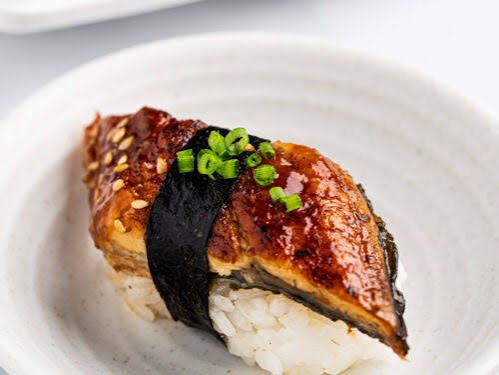
Sushi nigiri eel near me is a search that often begins with a simple craving but can lead to a deeper appreciation of Japanese culinary craft. Eel nigiri, known for its tender texture, savory glaze, and delicate balance with seasoned rice, occupies a distinctive place on many sushi menus. Unlike heavily customized rolls, nigiri keeps the focus remarkably simple: carefully prepared fish or seafood rests over a compact portion of sushi rice. That simplicity makes the quality of ingredients, preparation, temperature, and seasoning especially important.
Why Eel Nigiri Has Such a Distinctive Character
Eel stands apart from many other sushi toppings because it is generally cooked before being served. Traditionally, freshwater eel, often called unagi, is prepared through a process that softens its texture and allows its rich flavor to develop. It is commonly brushed with a sweet-savory sauce before being placed over sushi rice.
As a result, eel nigiri offers a different experience from raw tuna or salmon. The flesh is soft and rich, while the sauce contributes sweetness and umami. Meanwhile, the rice provides acidity and structure, preventing the topping from becoming overwhelming.
What to Expect When Searching for Sushi Nigiri Eel Near Me
When people search for sushi nigiri eel near me, they are usually looking for more than simply a restaurant serving sushi. They may want a nearby place where the eel is properly prepared, the rice has the right texture, and the portion feels balanced.
Therefore, it helps to look beyond photographs of attractive dishes. A thoughtful search can include checking whether a restaurant specifically lists unagi or eel nigiri, whether its menu describes the preparation, and whether recent customer feedback discusses freshness, texture, rice quality, and portion consistency.
The best experience often comes from understanding what the dish is supposed to feel like before ordering it.
The Craft Behind the Rice and Topping
Nigiri may look uncomplicated, yet its appearance hides considerable technique. Sushi rice must hold together without becoming dense or sticky in an unpleasant way. It also needs enough seasoning to complement the topping without competing with it.
Eel requires its own attention. Cooking it properly helps produce the soft, almost buttery texture associated with well-prepared unagi. The glaze should add depth rather than simply making the dish taste sugary.
Consequently, good eel nigiri is less about adding numerous ingredients and more about getting several small details right.
Unagi and the Japanese Tradition of Eel
Eel has a long culinary history in Japan and is associated with dishes that extend well beyond sushi. Unagi is frequently grilled and served with a characteristic sweet-savory sauce, creating a flavor profile that has become familiar around the world.
Historically, eel has also developed seasonal associations in Japanese food culture. Its richness makes it a satisfying choice, particularly during periods when hearty meals are appreciated.
Today, international sushi restaurants have adapted eel dishes to local tastes, but the essential appeal remains recognizable: tender cooked eel, aromatic sauce, and rice working together as a compact meal.
How Eel Nigiri Differs From Other Popular Nigiri
For someone exploring a sushi menu, comparing eel with other nigiri can make the experience more interesting.
| Nigiri Style | Typical Character | Preparation |
|---|---|---|
| Eel / Unagi | Rich, soft, sweet-savory | Cooked and usually glazed |
| Salmon | Mild, buttery, fresh | Commonly served raw |
| Tuna | Clean, meaty, delicate | Commonly served raw |
| Shrimp | Mild and slightly sweet | Usually cooked |
| Squid | Firm and subtle | Often served raw or prepared |
This contrast explains why eel can appeal even to diners who are less interested in raw seafood. Its cooked preparation and warm, savory character create an entirely different introduction to nigiri.
What Makes a Good Local Sushi Experience?
Finding a satisfying option nearby is partly about the restaurant itself. A strong sushi establishment typically pays attention to rice temperature, ingredient handling, presentation, and consistency. However, atmosphere also matters.
A quiet sushi counter can create an intimate experience in which the preparation becomes part of the meal. Conversely, a lively Japanese restaurant may make the same dish feel more casual and social.
Either setting can work. What matters is whether the restaurant treats nigiri as a carefully assembled dish rather than simply another menu item.
Ordering Eel Nigiri for the First Time
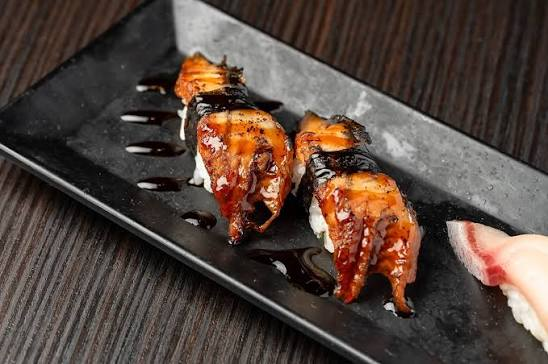
For first-time diners, eel nigiri is often approachable because the topping is cooked and seasoned. The sauce gives it an immediately recognizable savory-sweet flavor, while the rice introduces the mild acidity associated with sushi.
Rather than ordering a large selection immediately, trying one or two pieces can provide a clearer sense of the balance. Eel can also pair naturally with other nigiri, allowing diners to compare cooked and raw preparations during the same meal.
Moreover, eating slowly makes the differences in texture easier to notice.
A Small Dish With a Larger Cultural Story
One reason sushi continues to fascinate diners around the world is its ability to turn relatively simple ingredients into something expressive. Nigiri demonstrates this particularly well.
There is nowhere to hide behind elaborate fillings or complicated toppings. The rice, seasoning, seafood, and hand-shaped form all remain visible. Therefore, even a small piece of eel nigiri can reflect decisions about sourcing, preparation, timing, technique, and presentation.
That is part of what makes the dish culturally interesting. It connects an everyday restaurant experience with a culinary tradition built around restraint and precision.
What to Look For Before Choosing a Restaurant
When comparing nearby sushi restaurants, several practical details can help narrow the choices without relying solely on star ratings.
Look for a clearly described sushi menu, specific references to unagi or eel nigiri, consistent recent feedback, and photographs that show the actual dish rather than only promotional images. If the restaurant specializes in Japanese cuisine, its menu may also provide useful clues about how the eel is prepared.
Additionally, diners with allergies or dietary concerns should check ingredients carefully. The sauce used with eel may contain ingredients that differ from one restaurant to another.
The Experience Beyond the Search
The phrase sushi nigiri eel near me may begin as a practical online search, but the meal itself can become a small exploration of food culture. A diner searching for something nearby may discover the difference between unagi and other sushi toppings, learn to recognize the importance of seasoned rice, and develop a greater appreciation for the work behind a seemingly simple piece of nigiri.
Ultimately, eel nigiri demonstrates how culinary sophistication does not always require complexity. Its appeal comes from harmony: tender eel, balanced sauce, carefully prepared rice, and thoughtful presentation.
Frequently Asked Questions
Is eel nigiri cooked?
Yes. Traditional unagi nigiri uses cooked freshwater eel. It is commonly grilled or otherwise prepared before being served with sushi rice and sauce.
Does eel nigiri taste sweet?
It often has a mildly sweet and savory flavor because eel is frequently finished with a rich glaze. However, the exact taste varies according to the restaurant’s sauce and preparation.
Is eel nigiri suitable for someone who does not eat raw fish?
It can be. Because the eel is cooked, it provides an alternative for diners who prefer to avoid raw seafood while still wanting to explore nigiri.
What is unagi?
Unagi is the Japanese culinary term commonly used for freshwater eel. It is widely associated with grilled preparations and savory-sweet sauce.
What should I check when looking for eel nigiri nearby?
Check whether the restaurant specifically offers unagi nigiri, examine recent menu information, and look for comments about rice quality, eel texture, preparation, and consistency.
Conclusion
Sushi nigiri eel near me represents more than a convenient restaurant search. It points toward a dish that brings together Japanese culinary tradition, careful preparation, contrasting textures, and a remarkably focused presentation. Eel’s cooked richness gives nigiri a character that differs from many raw seafood varieties, making it both distinctive and accessible.
Ultimately, the pleasure of eel nigiri lies in its balance. The soft topping, savory glaze, seasoned rice, and restrained presentation demonstrate how a few carefully considered elements can create a memorable food experience. For diners willing to look beyond the search results and pay attention to the craft, one small piece of nigiri can offer a surprisingly rich introduction to the wider world of Japanese cuisine.