Best Humita en Chala Near Me Begins With More Than a Search
best humita en chala near me is a search that can begin with simple hunger but often leads somewhere much more interesting: into the culinary history of the Andes. Humita en chala is a traditional corn preparation associated particularly with northern Argentina and neighboring Andean food cultures. Made from fresh corn and wrapped in corn husks, it combines rustic ingredients with careful preparation. Moreover, the dish reflects a food tradition in which seasonal produce, family knowledge, and regional identity remain closely connected.
Why Humita en Chala Feels Different From an Ordinary Corn Dish
At first glance, humita en chala may resemble other wrapped foods from Latin America. However, its character comes from fresh choclo, or tender corn, rather than the nixtamalized masa commonly associated with Mexican tamales. In northern Argentina, the corn may be grated or processed into a soft mixture and combined with ingredients such as squash, onion, cheese, basil, and spices. The mixture is then enclosed in corn husks and cooked. Consequently, the finished parcel has a creamy interior while retaining the unmistakable sweetness of fresh corn.
The Story Hidden Inside Every Corn Husk
The cultural importance of humita reaches beyond the plate. Argentina’s official tourism and cultural sources describe the preparation as having pre-Hispanic origins, connecting it with long-standing maize traditions in the region. Furthermore, variations of humita exist across several South American countries, including Peru, Bolivia, Chile, Ecuador, and Argentina. Although recipes differ from place to place, maize remains central. This continuity helps explain why searching for best humita en chala near me can become a discovery of regional history as much as a search for a satisfying meal.
What Makes a Memorable Humita
A memorable humita depends heavily on the quality of its corn. Fresh kernels provide the natural sweetness, moisture, and soft texture that define the dish. Yet corn alone does not create its full character. Onion can introduce savory depth, while squash adds body and subtle sweetness. Cheese may provide a rich center, and herbs such as basil can brighten the mixture. Therefore, when people look for best humita en chala near me, they are often searching for a balance between sweetness, savoriness, texture, and the aroma released when the husk is opened.
The Corn Husk Is Part of the Experience
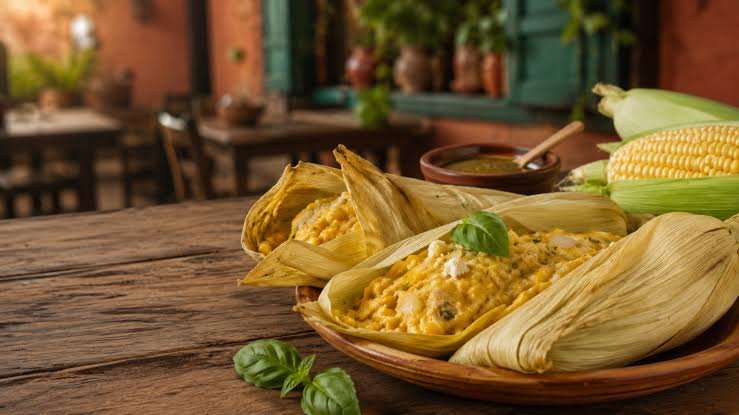
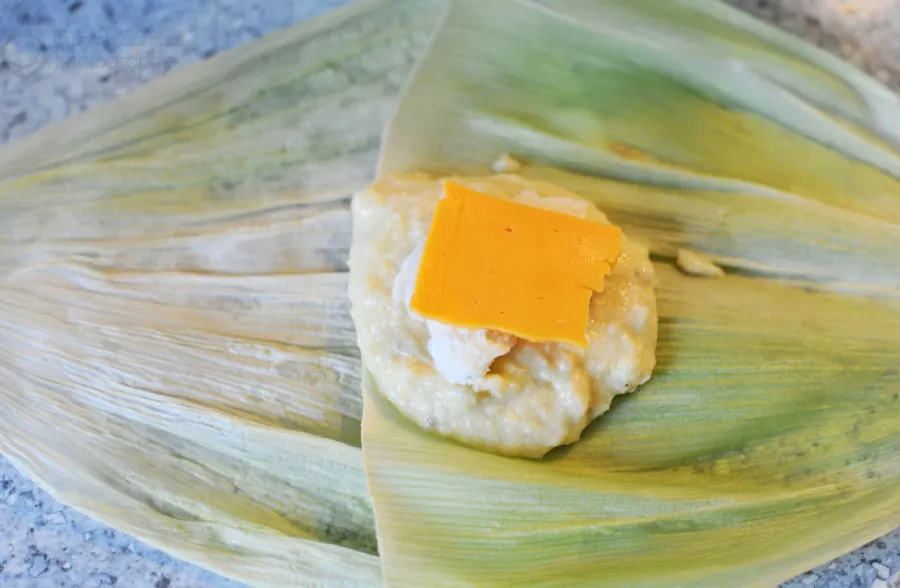
The chala is not simply decorative packaging. Traditionally, two corn husks can be arranged around the filling, folded into a compact parcel, and tied before cooking. Argentina’s tourism information describes the husks as an essential part of the preparation, with the bundles cooked in salted boiling water. As the humita cooks, the husk helps contain the mixture while contributing to the dish’s distinctive presentation. Moreover, opening the parcel at the table creates a small moment of anticipation: the aroma appears before the first bite.
From Northern Argentina to Local Food Scenes
Northern Argentine provinces such as Salta, Jujuy, and Tucumán are strongly associated with humita. In these areas, the dish can appear in both home cooking and local food traditions. Visit Argentina notes that humita en chala is closely connected with Andean agricultural communities and is celebrated through local culinary traditions. In addition, the preparation can vary between sweet-leaning and savory versions, depending on regional and family preferences. This variety means that two places offering the dish may create noticeably different experiences while still respecting the same culinary foundation.
How to Recognize Quality When Exploring Local Menus
When exploring options for best humita en chala near me, the menu description can provide useful clues, but appearance and preparation matter too. A well-made humita should have a tender, cohesive filling rather than a dry or overly dense center. The corn flavor should remain noticeable, while seasonings should support rather than overwhelm it. Likewise, the husk should look carefully folded and intact. If cheese is included, it can add another layer of richness. Ultimately, freshness and balance are more revealing than an elaborate presentation.
Humita en Chala Compared With Humita a la Olla
| Feature | Humita en Chala | Humita a la Olla |
|---|---|---|
| Presentation | Cooked inside corn husks | Served directly from the pot |
| Texture | More structured and parcel-like | Softer and creamier |
| Main ingredient | Fresh corn | Fresh corn |
| Common additions | Onion, squash, cheese, herbs, spices | Similar regional ingredients |
| Eating style | Opened from the husk | Served with a spoon |
Both forms belong to the same culinary family, yet the experience is different. Humita a la olla emphasizes creaminess, while the husk-wrapped version adds a traditional presentation and a firmer texture.
Why Seasonal Corn Matters
Seasonality is one reason humita has such a strong connection to agricultural life. Fresh corn changes in sweetness, tenderness, and moisture as it moves through its growing cycle. Consequently, cooks who work with particularly fresh choclo can often achieve a naturally flavorful filling without relying heavily on additional ingredients. The broader Andean food tradition has long treated maize as an important agricultural resource, and humita demonstrates how a simple crop can become something both practical and culturally meaningful. That connection remains visible in contemporary versions of the dish.
The Human Side of a Traditional Recipe
Food traditions survive because people continue making them, adapting them, and sharing them. Humita is therefore not simply a historical recipe preserved behind glass. It can be prepared at home, served in regional restaurants, discussed in markets, and introduced to diners encountering it for the first time. In many cases, recipes also carry memories of family kitchens and seasonal gatherings. Thus, the appeal of best humita en chala near me is not limited to finding something delicious. It can also represent curiosity about another region’s ingredients, customs, and everyday food culture.
What Diners Should Expect From the First Bite
A properly prepared humita generally offers several sensations at once. The exterior begins with the natural aroma of corn husk, while the interior delivers soft, sweet corn and savory seasoning. Depending on the recipe, cheese may create a creamy contrast, while onion, basil, paprika, or chili can provide additional depth. Because regional recipes vary, there is no single universal flavor profile. Instead, the dish’s identity comes from its corn-centered foundation and the cooking traditions surrounding it. That flexibility is part of what keeps humita relevant beyond its traditional home.
Frequently Asked Questions About Humita en Chala
What does “en chala” mean?
“En chala” refers to cooking the humita inside the husk of the corn. The husk acts as the wrapper around the fresh-corn mixture.
Is humita en chala the same as a tamale?
Not exactly. Although both are wrapped foods, humita traditionally centers on fresh corn, while many tamales use masa made from processed corn. Their preparation and regional histories also differ.
Is humita sweet or savory?
It can be either, depending on the region and recipe. Northern Argentine versions can combine the natural sweetness of corn with savory ingredients such as onion, cheese, herbs, and spices.
What should I look for when ordering it?
Look for fresh-corn flavor, a moist but cohesive filling, balanced seasoning, and a carefully prepared husk parcel. Local preparation methods can vary considerably.
A Dish That Turns a Simple Search Into a Cultural Discovery
The search for best humita en chala near me ultimately opens a door to something larger than a single meal. Humita brings together maize, seasonal cooking, regional identity, and generations of culinary knowledge in one modest parcel. Furthermore, its preparation demonstrates how traditional foods can remain meaningful without becoming complicated. From the cornfields of the Andes to contemporary restaurant tables, the dish continues to tell a story through texture, aroma, and taste. In that sense, finding a memorable humita is also a way of discovering the culture that helped shape it.