Introduction
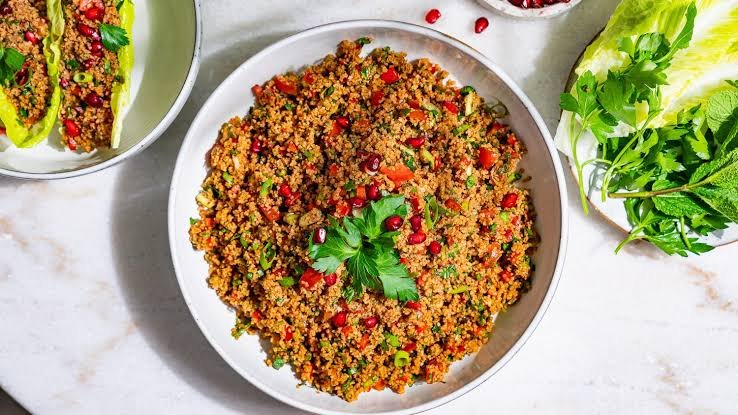
kisir bulgur salad near me is more than a search for a convenient meal; it can also be an invitation to discover one of Turkey’s most recognizable bulgur-based dishes. Bright with herbs, tomatoes, peppers, lemon, and fragrant seasonings, kisir occupies an interesting place between salad, side dish, and satisfying light meal. Moreover, its appeal comes from balance rather than extravagance. The texture of fine bulgur, the freshness of herbs, and the gentle acidity of citrus create a dish that feels both comforting and lively. For diners discovering Turkish cuisine, it offers an accessible starting point.
Why Kisir Has Become Such a Recognizable Turkish Dish
Kisir is traditionally prepared with fine bulgur softened with hot water or another liquid before being combined with ingredients such as tomato or pepper paste, parsley, spring onions, lemon juice, olive oil, and spices. However, recipes vary considerably between households and regions. Consequently, there is no single version that represents every Turkish table.
What remains consistent is the dish’s character. Kisir is colorful, aromatic, and designed to be shared. Furthermore, it fits naturally into Turkish meze culture, where several dishes may appear together and diners can enjoy different flavors in the same meal.
The Bulgur at the Heart of the Dish
Fine bulgur gives kisir its distinctive foundation. Unlike rice, it has a slightly nutty flavor and a pleasant, grainy texture that absorbs surrounding flavors remarkably well. As a result, the dressing does not simply sit on the surface; it becomes part of the grain itself.
Preparation also matters. When the bulgur is properly hydrated, it should remain pleasantly textured rather than becoming wet or mushy. Therefore, a well-made bowl depends as much on technique as it does on ingredients.
A Balance of Herbs, Acidity, and Spice
One reason people searching for kisir bulgur salad near me may find different versions is that the flavor profile can change from restaurant to restaurant. Some preparations emphasize lemon and herbs, while others rely more heavily on pepper paste or spices.
Parsley commonly contributes freshness, while green onions provide a mild sharpness. Meanwhile, lemon juice adds acidity that lifts the earthy bulgur. Depending on the recipe, ingredients such as mint, pomegranate molasses, cumin, Aleppo pepper, or finely chopped vegetables may add another layer.
The result is not simply spicy or sour. Instead, the best versions create a layered taste in which freshness, acidity, savoriness, and gentle heat work together.
What to Look for When Ordering Kisir
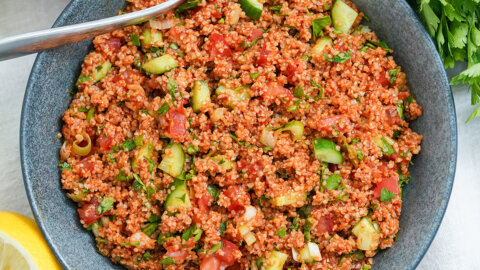
When exploring kisir at a Turkish restaurant, presentation can provide a few useful clues. Fresh herbs should look vibrant, and the bulgur should appear moist without looking overly wet. In addition, the mixture should hold together naturally while still retaining individual grains.
Flavor is equally important. A good serving should allow you to notice the bulgur beneath the seasoning. If pepper paste dominates everything else, the dish can lose its balance. Likewise, excessive lemon can overwhelm the more subtle flavors.
For first-time diners, ordering kisir alongside other Turkish small plates can be especially rewarding because its fresh character contrasts with richer grilled or baked dishes.
Kisir as Part of Turkish Social Dining
Food in Turkey often carries a social dimension, and kisir fits comfortably into that tradition. It can appear at family gatherings, afternoon tables, celebrations, picnics, and casual meals shared among friends.
Moreover, its practicality makes it particularly suitable for communal eating. It can be prepared ahead of time, transported easily, and served without complicated last-minute cooking. Because of this, kisir is not merely something found on restaurant menus; it has a strong connection to everyday home cooking.
That domestic quality is part of its cultural charm. A bowl of kisir can represent hospitality without requiring an elaborate feast.
Finding a Good Local Version
Searching for kisir bulgur salad near me can produce very different results depending on where you live. Turkish restaurants, Mediterranean eateries, mezze specialists, and Middle Eastern restaurants may all offer bulgur-based salads, although their recipes can differ.
Before choosing a place, it can help to examine the menu description and recent customer comments. Look for references to fresh herbs, homemade preparation, balanced seasoning, or traditional Turkish mezze. Also, check whether the restaurant serves kisir as a side, appetizer, or larger portion.
Most importantly, remember that variation does not automatically mean one preparation is more authentic than another. Regional traditions and family recipes naturally create differences.
Kisir Compared With Other Bulgur Salads
| Feature | Kisir | General Bulgur Salad |
|---|---|---|
| Culinary association | Strongly associated with Turkish cuisine | Found across several cuisines |
| Main grain | Usually fine bulgur | Fine, medium, or coarse bulgur |
| Flavor profile | Herbaceous, tangy, savory, sometimes spicy | Varies widely |
| Common additions | Parsley, spring onion, pepper or tomato paste, lemon | Vegetables, herbs, citrus, oils |
| Typical role | Meze, side dish, light meal | Side dish or salad |
The comparison shows why kisir has its own identity. Although bulgur appears in many culinary traditions, the combination of ingredients and preparation gives Turkish kisir a recognizable personality.
A Dish That Works Across Seasons
Kisir is particularly appealing because it does not depend strongly on one season. In warmer months, its herbs and citrus make it feel refreshing, especially when served cool or at room temperature. During colder months, it can function as a bright accompaniment to heartier foods.
Furthermore, its adaptability makes it suitable for different occasions. A small portion can begin a meal, while a larger serving accompanied by vegetables, yogurt, or other mezze can become a satisfying lunch.
This flexibility may explain why the dish remains relevant in both traditional households and contemporary restaurant settings.
Frequently Asked Questions
Is kisir the same as tabbouleh?
No. Both can contain bulgur, parsley, lemon, and fresh ingredients, but they have different culinary identities and proportions. Kisir generally has a stronger association with Turkish cuisine and commonly incorporates tomato or pepper paste and distinctive Turkish seasonings.
Is kisir served hot or cold?
Kisir is usually served cool or at room temperature. However, preparation methods can vary, particularly between households and restaurants.
What does kisir taste like?
It is typically fresh, tangy, savory, and herbaceous, with varying levels of spice. The exact flavor depends on the amount of lemon, pepper paste, herbs, and seasonings used.
Can kisir be eaten as a main meal?
Yes. Although often served as a meze or side dish, a generous portion can work as a light meal, particularly when accompanied by other vegetables, yogurt, or protein-rich foods.
The Enduring Appeal of a Simple Bulgur Salad
Ultimately, kisir bulgur salad near me represents more than a restaurant search. It reflects the way food can connect everyday practicality with cultural identity. Fine bulgur becomes a canvas for herbs, citrus, spices, and family traditions, while the finished dish remains remarkably approachable.
Perhaps that is why kisir continues to feel contemporary despite its deep roots. It is inexpensive, adaptable, shareable, and full of character. Most importantly, it demonstrates that memorable food does not always require elaborate ingredients. Sometimes, a carefully balanced bowl of bulgur, herbs, seasoning, and citrus is enough to turn a simple meal into a meaningful culinary experience.