Introduction
Best mondongo soup near me is more than a search for a warm bowl of food; it is often a search for tradition, familiarity, and the kind of meal that feels connected to home. Across Latin America and the Caribbean, mondongo takes many forms, yet its identity remains rooted in slow cooking, generous seasoning, and communal eating. For diners discovering it for the first time, the experience can be especially memorable. Meanwhile, for those who grew up with it, a well-prepared bowl can evoke family kitchens, weekend lunches, neighborhood restaurants, and recipes passed between generations.
Why Mondongo Soup Has Such a Distinct Identity
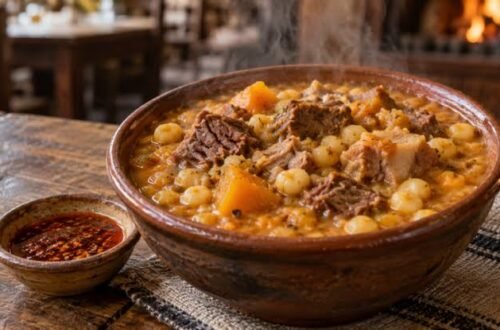
Mondongo is generally associated with a hearty soup or stew made with tripe, although recipes vary considerably by country and region. Vegetables, herbs, spices, legumes, and starchy ingredients may all appear depending on the local tradition. Consequently, there is no single universal version of the dish. Instead, mondongo reflects the ingredients and culinary habits of the community preparing it.
Moreover, the dish demonstrates how traditional cooking can transform humble ingredients into something deeply satisfying. Long, gentle cooking allows the flavors to develop gradually, while vegetables and seasonings create a rich and layered broth. For many people, therefore, mondongo represents practical cooking elevated through patience and cultural knowledge.
What to Look For When Searching Locally
When someone searches for the best mondongo soup near me, freshness and preparation matter as much as the recipe itself. A good bowl should feel balanced rather than overwhelmingly salty or heavily seasoned. The broth should carry the flavor of the ingredients, while the tripe should be properly cleaned and cooked until pleasantly tender.
Likewise, accompaniments can tell you something about the restaurant’s culinary tradition. Depending on the region, diners may encounter rice, avocado, lime, tortillas, bread, plantains, or other familiar side dishes. These additions are not merely decorative; they can help complete the traditional eating experience and reveal the cultural background behind the recipe.
From Family Kitchens to Neighborhood Restaurants
Historically, dishes such as mondongo have often occupied an important place in home cooking because they make practical use of ingredients while feeding several people. Over time, those traditions have moved beyond family kitchens into cafés, markets, neighborhood restaurants, and specialized Latin American eateries.
That transition has not necessarily weakened the dish’s cultural significance. Instead, restaurants can become places where recipes remain visible to new generations. A diner who encounters mondongo for the first time may learn about another country’s food traditions simply by asking how the soup is prepared or where the recipe originated.
Regional Character Behind the Bowl
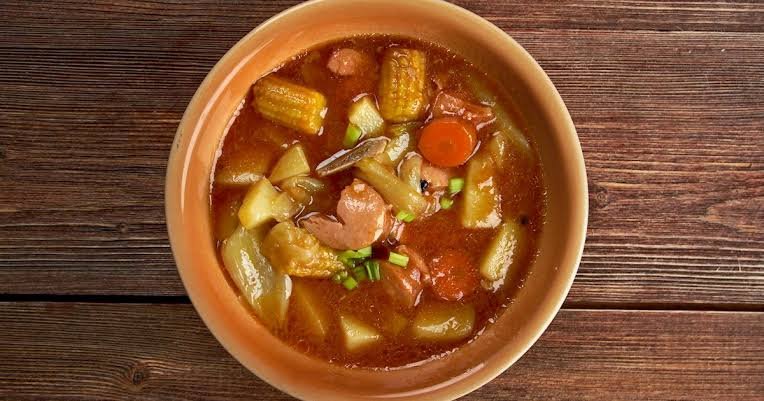
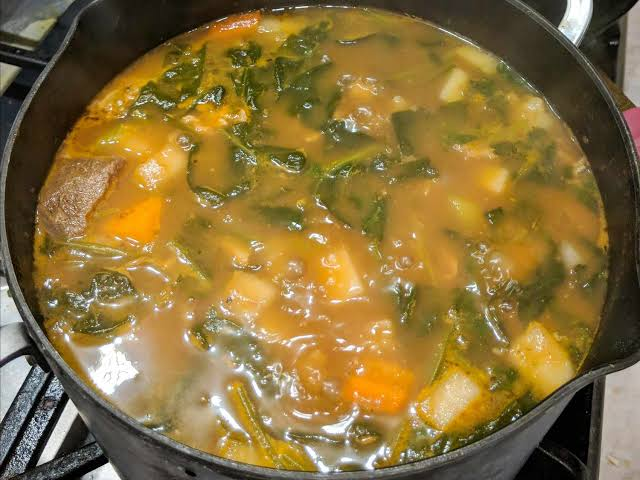
One of the most interesting aspects of mondongo is its regional diversity. Colombian preparations may differ from Venezuelan, Dominican, Puerto Rican, or other Latin American interpretations. Some versions emphasize vegetables and herbs, while others include legumes, root vegetables, or additional meats.
Therefore, two restaurants can serve dishes called mondongo while offering noticeably different experiences. Rather than treating one recipe as the definitive version, it is more useful to understand the soup as a culinary family. Each interpretation carries clues about local ingredients, migration, geography, and historical food traditions.
A Closer Look at the Traditional Experience
| Element | What diners may notice | Why it matters |
|---|---|---|
| Tripe | Tender, thoroughly cooked texture | It is the defining ingredient of many versions |
| Broth | Savory and aromatic | Brings the individual ingredients together |
| Vegetables | Root vegetables, herbs, peppers, or other produce | Adds texture, color, and regional character |
| Seasoning | Garlic, herbs, spices, and local flavors | Gives each preparation its distinctive identity |
| Accompaniments | Rice, lime, avocado, bread, or plantains | Completes the meal according to local tradition |
The Human Appeal of a Hearty Soup
There is also something emotionally distinctive about a substantial bowl of soup. Unlike foods designed primarily for speed or convenience, slow-cooked dishes often encourage people to pause. Steam rises from the bowl, aromas fill the table, and the meal becomes an experience rather than simply something consumed between activities.
For that reason, searching for the best mondongo soup near me can sometimes lead to more than a restaurant recommendation. It can introduce diners to a community’s culinary memory. A family recipe served in a small neighborhood establishment may tell a richer story than a standardized dish prepared purely for commercial consistency.
How Diners Can Explore Mondongo Respectfully
First-time diners may benefit from approaching the dish with curiosity rather than comparing it immediately with familiar soups. The texture of tripe is different from chicken, beef, or vegetable-based soups, and that distinction is part of the experience.
Furthermore, asking staff about the regional style can make the meal more meaningful. Questions about ingredients, preparation time, or traditional accompaniments often reveal details that are not obvious from a menu. In this way, dining becomes a small cultural exchange rather than simply a search for something filling.
Why Slow Cooking Still Matters
Modern restaurant culture often emphasizes speed, yet traditional soups remain reminders that some flavors cannot be rushed. Mondongo commonly requires careful preparation and extended cooking to achieve its characteristic tenderness and depth.
As a result, a thoughtfully prepared bowl can communicate craftsmanship. The cook’s work may be invisible once the food reaches the table, but the difference can be experienced through texture, aroma, and balance. Ultimately, the patience behind the preparation is one of the reasons these traditional dishes continue to survive in contemporary food culture.
Questions Diners Often Have
What is mondongo soup made from?
Mondongo soup is commonly prepared with tripe and a combination of vegetables, herbs, seasonings, and sometimes legumes or other meats. The exact ingredients depend on the country’s culinary tradition and the individual recipe.
Does every country prepare mondongo the same way?
No. Recipes vary significantly across Latin America and the Caribbean. Differences can include the vegetables used, thickness of the broth, seasonings, accompaniments, and cooking methods.
What should first-time diners expect?
The most noticeable feature is usually the texture of the tripe. When properly prepared, it should be tender rather than tough. The surrounding broth and vegetables provide much of the dish’s flavor and character.
Is mondongo usually served as a complete meal?
Often, yes. Because it is substantial and may contain several filling ingredients, mondongo can function as a complete meal, particularly when served with traditional accompaniments.
The Meaning Behind the Search
Ultimately, the phrase best mondongo soup near me reflects a broader change in how people discover food. Search engines may begin the journey, but restaurants, cooks, families, and communities give the food its meaning. A bowl of mondongo can connect a diner with regional history, migration, family traditions, and the everyday creativity of home cooking.
That is why the most memorable version may not necessarily be the most elaborate one. Sometimes, it is the bowl that tastes carefully prepared, respects its culinary roots, and creates a sense of warmth around the table.
Conclusion
Best mondongo soup near me is ultimately a search for an experience as much as a dish. Behind the hearty broth and tender ingredients lies a culinary tradition shaped by patience, regional identity, and generations of practical cooking. While recipes differ from one community to another, their shared spirit remains remarkably recognizable.
For curious diners, discovering mondongo can therefore open a door into a much wider food culture. Whether enjoyed at a family-run restaurant, a neighborhood café, or a traditional Latin American kitchen, the soup carries a simple message: food can preserve memory while still finding a place on today’s table.