Introduction
empanada gallega near me is more than a search for a convenient meal; it can be the beginning of a small culinary discovery. Originating in Galicia in northwestern Spain, the Galician empanada is known for its broad, shareable format, savory fillings, and beautifully seasoned dough. Unlike individually folded empanadas found in many other traditions, the Galician version often arrives as a substantial baked pie, cut into portions for a table. Today, finding one nearby can offer a delicious connection between regional history, family cooking, and modern food culture.
What Makes the Galician Empanada Different?
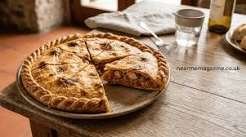
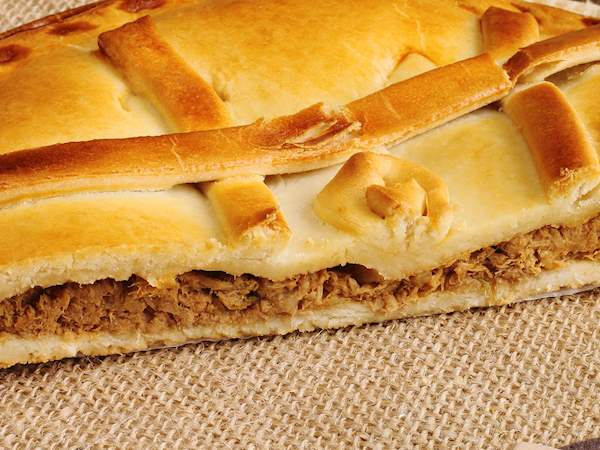
The first thing that distinguishes this dish is its format. Rather than being shaped into small individual parcels, a traditional Galician empanada is generally prepared as a large, flat pastry with filling enclosed between layers of dough. Consequently, it is naturally suited to sharing, making it a familiar presence at family gatherings, celebrations, bakeries, and communal meals. The crust can be thin and crisp while remaining tender enough to complement the filling. Its appeal lies in balance: pastry, seasoning, vegetables, and savory ingredients work together without one element overwhelming the others.
The Regional Story Behind a Beloved Dish
Galicia has a strong relationship with food shaped by geography, agriculture, fishing, and community traditions. Therefore, it is difficult to separate Galician cooking from the landscapes that surround it. Seafood, peppers, onions, tomatoes, meats, and locally influenced seasonings have all contributed to the region’s culinary character. The empanada reflects this adaptability particularly well. Historically, a large baked pastry could be prepared ahead of time, transported easily, and shared among several people. In that sense, it was not merely something to eat; it was also practical food designed for real life.
Finding an Authentic Version Nearby
When searching for empanada gallega near me, authenticity is not always about finding an identical recipe. Instead, it can be useful to look for signs of careful preparation. A bakery, restaurant, or specialty food shop may describe its dough, filling, or Galician inspiration in detail. Moreover, a freshly baked crust and a filling that tastes properly seasoned can tell you more than a menu description alone. If a business makes the empanada in-house, asking about the day’s filling can also reveal how closely the dish is connected to traditional cooking.
Popular Fillings and Regional Variations
One of the most interesting aspects of Galician empanada is its versatility. Traditional preparations may include tuna, peppers, onions, tomato, meat, or seafood, while contemporary cooks sometimes introduce other ingredients. Nevertheless, the characteristic combination of pastry and generously seasoned filling remains central to the experience.
| Filling Style | Typical Character | What It Adds |
|---|---|---|
| Tuna and vegetables | Savory and familiar | Richness with a bright vegetable balance |
| Seafood | Delicate and coastal | A strong connection to Galicia |
| Meat | Hearty and substantial | Deeper, more robust flavor |
| Vegetable-based | Light and aromatic | Emphasis on produce and seasoning |
Because recipes vary between households and regions, there is no single filling that defines every Galician empanada. That diversity is part of its cultural appeal.
Why the Dish Works So Well as Shared Food
Food often becomes more meaningful when it is designed for several people rather than one. A large empanada naturally encourages this kind of interaction. Someone cuts the first slice, another reaches for a second portion, and conversation continues around the table. As a result, the dish carries a social quality that fast, individually packaged meals often lack.
Furthermore, its practicality makes it suitable for picnics, family lunches, casual gatherings, and celebrations. The pastry can be served warm, but it can also remain enjoyable after cooling, which adds to its versatility.
The Experience of Searching Locally
Searching for empanada gallega near me can also become an exploration of a neighborhood’s changing food culture. Specialty bakeries and independent restaurants increasingly introduce dishes that connect diners with culinary traditions from other parts of the world. Consequently, a simple food search can reveal how international cuisine becomes part of local identity.
There is also something rewarding about discovering a small establishment through a regional specialty. Instead of choosing a familiar chain, diners may encounter a family-run kitchen, a Spanish bakery, or a restaurant where recipes have been adapted through generations. The meal then becomes part of a broader story about migration, memory, and culinary exchange.
What to Look for in a Well-Made Empanada
A good Galician empanada should feel balanced from the first bite. The pastry should support the filling rather than simply serve as a thick outer layer. Likewise, the filling should have enough seasoning to remain flavorful without becoming excessively heavy.
Texture matters as well. A well-baked crust can provide a gentle crispness, while the interior remains tender and satisfying. Additionally, vegetables such as onions and peppers should contribute sweetness and aroma rather than disappear completely into the mixture.
Ultimately, freshness is one of the most important factors. An empanada prepared recently often has a more expressive crust and a livelier filling than one that has been sitting for too long.
A Dish That Connects Past and Present
The enduring popularity of Galician empanada demonstrates how traditional foods can travel without losing their identity. As people move between countries and cities, recipes travel with them. Eventually, those recipes may appear in new bakeries, restaurants, food markets, and home kitchens.
At the same time, adaptation is inevitable. Modern cooks may experiment with ingredients while retaining the fundamental structure of the dish. Rather than weakening the tradition, such changes can demonstrate how culinary heritage remains alive. A recipe survives not because it never changes, but because people continue finding reasons to prepare and share it.
Frequently Asked Questions
What is a Galician empanada?
A Galician empanada is a large baked pastry associated with Galicia, Spain. It typically contains a savory filling enclosed between layers of dough and is commonly cut into portions for sharing.
What fillings are common?
Tuna with vegetables, seafood, meat, and vegetable combinations are among the styles commonly associated with Galician empanada. Recipes vary considerably depending on the cook and region.
Is Galician empanada usually served individually?
Not traditionally in the same way as many small empanadas. The Galician style is often prepared as a larger pie or flat pastry intended to be sliced and shared.
What should I look for when ordering one?
Look for a freshly prepared crust, a well-seasoned filling, and a good balance between pastry and ingredients. If possible, ask which filling was prepared most recently.
Conclusion
The appeal of empanada gallega near me ultimately reaches beyond convenience. It represents the way food can preserve geography, memory, craftsmanship, and community while adapting to new surroundings. From Galicia’s coastal traditions to a neighborhood bakery or restaurant thousands of miles away, the dish carries a story in every slice.
And perhaps that is what makes discovering a good Galician empanada particularly satisfying. You are not simply searching for something savory to eat. You are encountering a piece of culinary culture that was created to be prepared, carried, served, and shared. In an increasingly fast-moving food world, that simple act of gathering around a baked pastry remains remarkably meaningful.