
Introduction
best cazon con tomate near me is more than a search for a convenient meal; it reflects a desire to discover something distinctive, comforting, and rooted in culinary tradition. Cazón, a firm-textured fish traditionally enjoyed in several Spanish and Latin American cuisines, becomes especially appealing when paired with a rich tomato-based sauce. Although recipes differ from one region to another, the combination has a familiar logic: fresh fish, ripe tomatoes, aromatic vegetables, olive oil, and carefully balanced seasoning. Consequently, finding a memorable version often means looking beyond convenience and paying attention to preparation, freshness, and the character of the kitchen serving it.
Why Cazón and Tomato Make Such a Natural Pair
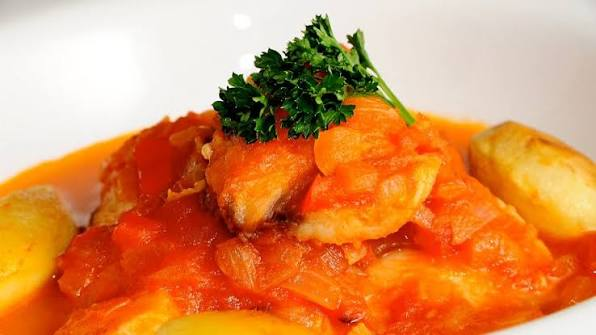
Cazón has a texture that gives it an advantage in sauced dishes. Unlike particularly delicate fish that can break apart easily, properly prepared cazón can remain substantial while absorbing the flavors around it. Tomato, meanwhile, contributes acidity, sweetness, and depth, creating a sauce capable of complementing rather than overwhelming the fish.
Furthermore, the success of the dish depends on balance. Too much tomato can dominate the seafood, while an overly thin sauce may fail to bring the ingredients together. The most appealing preparations usually allow the fish to remain recognizable while the tomato base adds warmth and complexity.
The Regional Story Behind the Plate
One reason searches for this dish can lead to very different results is that cazón has a broad culinary presence. In Spain, particularly in Andalusian cooking, cazón is associated with traditional seafood preparations, including dishes in which the fish is marinated, seasoned, or cooked with strongly flavored sauces. Across Latin America, meanwhile, fish and tomato-based stews have developed their own identities according to local ingredients and cooking traditions.
Therefore, there is no single universal definition of the perfect plate. One kitchen may emphasize garlic and herbs, another may introduce peppers and onions, while a different version may use a more intensely seasoned tomato sauce. These variations are not flaws. Instead, they demonstrate how seafood recipes evolve as they move between communities and generations.
What Makes a Restaurant Version Worth Ordering?
When someone searches for the best cazon con tomate near me, proximity is naturally important. However, distance should not be the only consideration. A restaurant’s approach to seafood can tell you considerably more about what will eventually arrive at the table.
Freshness is perhaps the most important starting point. Cazón should have a clean seafood aroma and a firm appearance before cooking. Moreover, the fish should not be hidden beneath an excessively heavy sauce simply to compensate for poor preparation. A thoughtfully cooked portion should have enough seasoning to be flavorful while retaining the character of the fish.
The tomato sauce matters just as much. Ideally, it should taste developed rather than merely assembled. Slowly cooked onions, garlic, tomatoes, herbs, and spices can create layers that make even a relatively simple seafood dish feel complete.
A Quick Guide to Judging the Dish
| What to notice | What it can tell you |
|---|---|
| Firm, moist fish | Usually indicates careful cooking rather than overcooking |
| Balanced tomato sauce | Suggests the kitchen understands how to complement the seafood |
| Fresh herbal or aromatic notes | Can add brightness and complexity |
| Moderate seasoning | Allows the natural flavor of the fish to remain present |
| Thoughtful side dishes | Often turns a simple entrée into a complete dining experience |
This small checklist is useful because restaurant menus can make similar dishes sound remarkably different. Ultimately, the quality on the plate matters more than elaborate descriptions.
The Importance of the Tomato Sauce
A tomato sauce may appear simple, yet it can determine whether the entire dish feels ordinary or memorable. Tomatoes bring natural acidity, and that acidity is particularly useful with rich or substantial fish. At the same time, cooking tomatoes with onion, garlic, olive oil, peppers, or herbs can soften their sharpness and create a deeper flavor.
In addition, the sauce should have an appropriate consistency. A watery preparation can make the plate feel unfinished, whereas an extremely thick sauce may overwhelm the fish. The best versions create enough body to coat the seafood without turning the meal into a heavy stew.
How Local Restaurants Can Interpret a Traditional Dish
The phrase best cazon con tomate near me also highlights an interesting feature of modern food culture: people increasingly use search engines to discover dishes rather than simply restaurants. A diner may begin with a craving for a specific preparation and only afterward decide where to eat.
That change has encouraged restaurants to make regional and traditional dishes more visible online. Consequently, a small neighborhood establishment with a strong seafood tradition can sometimes attract diners who would otherwise never encounter its menu. Digital discovery, in this sense, becomes an extension of culinary exploration.

What to Look for When Choosing a Nearby Spot
A good search should begin with restaurants that regularly serve seafood rather than establishments that happen to list one fish dish temporarily. Menu descriptions can provide useful clues, particularly when they identify the cooking method and principal ingredients.
Reviews can also help, but they should be read selectively. Look for repeated comments about freshness, portion quality, seasoning, and consistency rather than relying on a single enthusiastic or negative review. Similarly, recent photographs may reveal whether the dish resembles the description and whether the sauce-to-fish ratio looks appealing.
Most importantly, consider whether the restaurant’s broader menu suggests genuine familiarity with seafood. A kitchen that regularly works with fish is more likely to understand how different textures respond to heat, marinades, sauces, and cooking time.
The Experience Matters as Much as the Recipe
Food searches often begin with practical questions: What is nearby? What is available? How much does it cost? Yet dining experiences are rarely remembered for those details alone.
A well-prepared cazón con tomate can evoke something more personal. The aroma of tomato and garlic arriving at the table, warm bread placed alongside the plate, or a conversation about where the recipe originated can turn an ordinary meal into a small cultural experience. Moreover, traditional seafood dishes often carry memories of family kitchens, coastal markets, neighborhood restaurants, and shared meals.
That emotional dimension explains why people frequently search for a particular dish rather than simply searching for “seafood near me.”
Why Cazón Works Especially Well for Comfort-Food Lovers
Comfort food does not necessarily have to be rich or complicated. Sometimes it is simply food with recognizable flavors and a satisfying texture. Cazón cooked in tomato sauce fits that idea particularly well.
The fish provides substance, while the tomato base creates warmth and familiarity. Meanwhile, aromatic ingredients can introduce enough complexity to keep every bite interesting. Served with rice, potatoes, vegetables, or crusty bread, the dish can become a filling meal without requiring excessive elaboration.
For diners who enjoy traditional cooking, this combination offers something increasingly valuable: familiarity without monotony.
A Dish That Rewards Curiosity
Searching for the best cazon con tomate near me can ultimately become a lesson in culinary curiosity. The first restaurant may serve a mildly seasoned preparation, while another may create a richer and more aromatic interpretation. One version might emphasize Mediterranean influences; another could reflect a distinctly Latin American approach.
Rather than asking which version is objectively correct, it can be more interesting to ask what each kitchen is trying to express. Food traditions are rarely frozen in time. They change through migration, available ingredients, local tastes, and individual cooks. As a result, variation can be part of the dish’s identity rather than a departure from it.
Frequently Asked Questions
What is cazón?
Cazón is a type of small shark traditionally used as food in various Spanish and Latin American culinary traditions. Its firm texture makes it suitable for frying, stewing, marinating, and sauced preparations.
Does cazón con tomate have one traditional recipe?
No. Preparation varies by region and household. Tomato, aromatics, herbs, and spices may be combined with the fish in different proportions, producing noticeably different interpretations.
What should a good tomato sauce taste like?
A well-balanced sauce should combine acidity and sweetness without overpowering the fish. Garlic, onion, herbs, peppers, and olive oil can add additional depth depending on the regional style.
What should I check before ordering it at a restaurant?
Look for evidence of fresh seafood, thoughtful preparation, and recent customer feedback. If possible, examine the restaurant’s seafood menu and ask how the cazón is prepared.
Conclusion
The search for the best cazon con tomate near me ultimately represents something larger than finding the closest restaurant. It is about locating a dish that brings together seafood tradition, regional identity, practical cooking, and the simple pleasure of a satisfying meal. Cazón and tomato work because their contrasting qualities complement one another: firm fish meets bright acidity, while herbs and aromatics add depth.
Ultimately, the most memorable plate is unlikely to be the one with the most complicated description. Instead, it will be the preparation in which the fish is fresh, the sauce is balanced, and every ingredient appears to have a reason for being there. That is where a local food search becomes something more meaningful—a chance to discover how a traditional dish continues to find new life at the modern table.