anko dango near me and the appeal of a familiar search
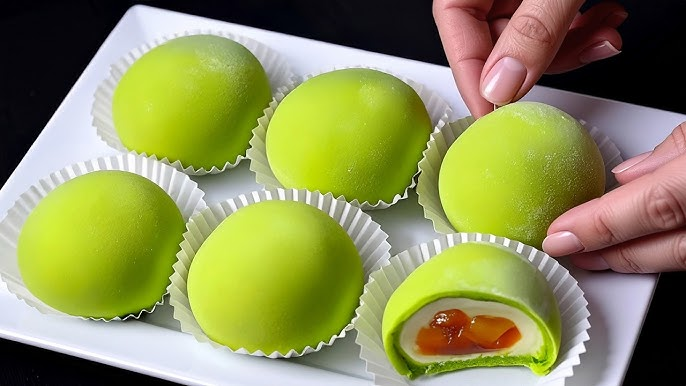
anko dango near me is the kind of search that begins with a simple craving but can lead somewhere much more interesting. Dango, a traditional Japanese rice-flour sweet, has long been associated with tea, festivals, seasonal gatherings, and quiet moments of everyday enjoyment. When anko, or sweet red bean paste, is added, the soft dumplings gain a rich, earthy sweetness that contrasts beautifully with their delicate texture. Therefore, looking for this treat locally is not merely about finding dessert; it is about discovering how Japanese food culture travels and adapts beyond its original setting.
Why dango feels different from ordinary dessert
Unlike many Western sweets built around elaborate decoration, dango is often appreciated for its simplicity. The dumplings are pleasantly chewy, while anko contributes a smooth and gently sweet character. Moreover, the combination demonstrates a Japanese preference for balance rather than excess, allowing texture and flavor to share equal importance. A plate of dango can appear modest, yet that modesty is part of its charm. Consequently, people encountering it for the first time may find that the experience is less about indulgence and more about appreciating a carefully composed, comforting food.
The cultural story behind anko and dango
Anko has a long history in Japanese confectionery, where sweetened azuki beans became an essential ingredient in wagashi and other traditional treats. Dango, meanwhile, has developed through centuries of culinary and social traditions, taking different forms depending on region, season, and occasion. Together, they represent an important relationship between everyday food and cultural memory. In Japan, sweets such as these can accompany ceremonies, festivals, tea, and family gatherings. Thus, an apparently simple snack can carry associations with childhood, celebration, hospitality, and the changing seasons.
How the anko dango experience has changed abroad
As Japanese cuisine has become more widely appreciated internationally, dango has moved beyond specialist confectionery shops and traditional restaurants. Today, it may appear in Japanese cafés, dessert counters, Asian food markets, and contemporary fusion menus. However, availability varies considerably from one location to another, which explains why local searches can be useful for curious diners. Even when a particular preparation differs from what someone might expect, that variation can reveal how Japanese culinary ideas are interpreted in different communities. In this sense, local discovery becomes part of the food’s continuing story.
What to look for when searching locally
Finding a good serving requires more than simply searching for the name. First, check whether the shop specializes in Japanese sweets or offers dango as part of a broader dessert selection. Next, consider whether the dango is freshly prepared, since texture is central to the experience. The anko should complement the rice dumplings rather than overwhelm them with sweetness. Additionally, photographs, menus, customer comments, and current opening information can help distinguish a regularly available item from a seasonal or occasional offering. This approach makes the search more practical and less dependent on assumptions.
Texture is the detail that changes everything
For many newcomers, the defining feature of dango is its texture rather than its sweetness. Properly prepared dumplings have a soft, springy chew that makes them distinctly different from cake, pastry, or pudding. The anko then introduces a creamy contrast without eliminating that characteristic bite. Furthermore, temperature can influence how the dessert feels, particularly when the dumplings are served freshly made. That sensory combination explains why dango can become memorable even when its ingredients appear uncomplicated. Ultimately, the pleasure comes from the relationship between softness, chewiness, and gentle sweetness.
Why anko brings warmth to the plate
Sweet red bean paste has a flavor profile that can surprise people accustomed to chocolate, caramel, or fruit-based desserts. Its sweetness is often accompanied by a subtle bean-like depth, creating a more grounded taste. When paired with dango, anko provides both richness and visual character, turning plain-looking dumplings into a distinctive Japanese confection. Because the paste is naturally associated with many traditional sweets, it also gives the dish a sense of continuity. For diners exploring Japanese desserts, this makes anko an inviting introduction to a broader confectionery tradition.
The search is also about neighborhood food culture
A local search for anko dango near me can reveal something about the neighborhood itself. Japanese restaurants and cafés often become meeting points for people interested in food, language, design, animation, travel, and cultural exchange. Meanwhile, independent businesses may introduce traditional foods in accessible ways, allowing customers to encounter unfamiliar flavors without needing extensive knowledge beforehand. As a result, a dessert search can become a small act of cultural exploration. The experience may begin at a counter or café table, but its significance can extend into curiosity about the culture behind the food.
Seasonal moments make dango especially memorable
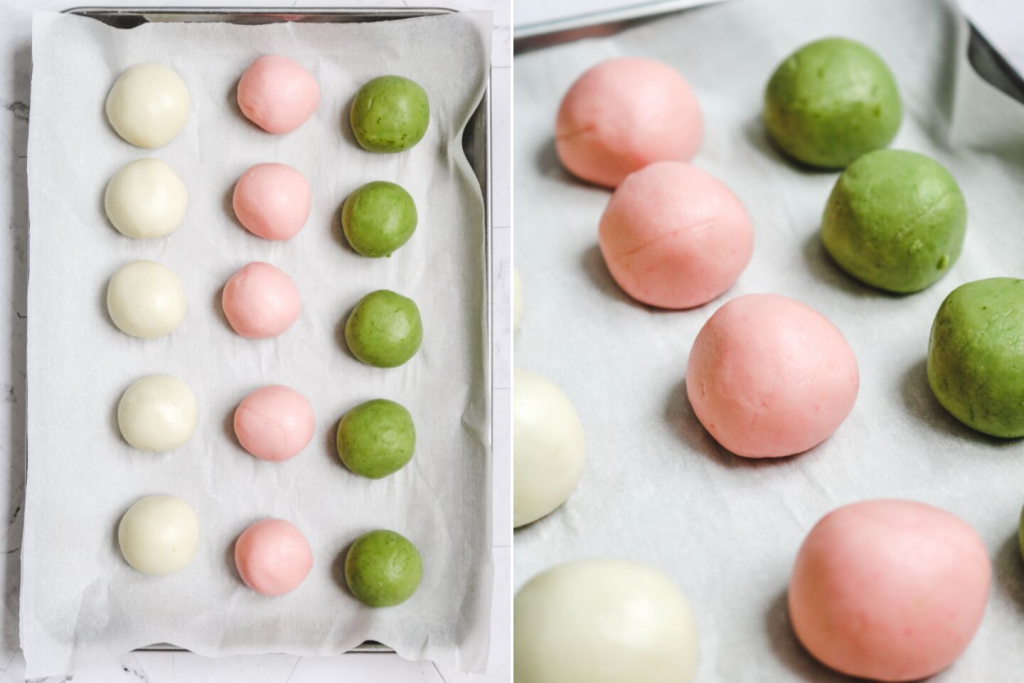
Japanese confectionery is closely connected with the seasons, and dango can participate in that tradition through different preparations and presentations. Hanami, autumn celebrations, festivals, and other cultural moments have helped make dumpling-based sweets familiar parts of Japanese food imagery. Outside Japan, seasonal availability may be less predictable, yet that can make limited offerings feel particularly special. Therefore, anyone searching locally should pay attention to seasonal menus and cultural events. A temporary appearance can provide a more distinctive experience than an item that is available every day but rarely prepared with attention.
What a thoughtful serving should feel like
A memorable serving does not necessarily need elaborate toppings or modern presentation. Instead, it should offer a pleasing relationship between the dumplings and the anko, with neither component dominating the other. The dango should feel cohesive and pleasantly chewy, while the red bean paste should provide enough sweetness to create contrast. Presentation can add appeal, of course, but authenticity is not simply a matter of appearance. More importantly, the dessert should communicate care in its preparation. That quiet sense of craftsmanship is one reason traditional Japanese sweets continue to attract contemporary audiences.
From curiosity to a wider appreciation of Japanese sweets
Discovering dango can be an entry point into the much larger world of wagashi. Once someone becomes interested in anko, they may encounter treats such as dorayaki, manju, yokan, and seasonal confectionery with completely different textures and shapes. Each offers another perspective on how Japanese culinary traditions treat sweetness, presentation, ingredients, and seasonality. In addition, exploring these foods can encourage diners to look beyond familiar restaurant staples. What begins as a search for one chewy dessert can therefore become a broader appreciation of Japanese craftsmanship and the cultural meaning embedded in food.
A small dessert with an enduring human connection
Food traditions survive not only because recipes are preserved, but because people continue to find pleasure and meaning in them. Dango illustrates that idea particularly well. It can be prepared at home, enjoyed during a festival, purchased from a specialist shop, or discovered unexpectedly in another country. The experience changes with the setting, yet the basic appeal remains recognizable. For someone following a local craving, that continuity is part of the reward. The search becomes a reminder that cultural traditions often travel quietly, one dish, one shop, and one curious customer at a time.
Conclusion: Why the local search matters
anko dango near me ultimately represents more than a request for a convenient dessert. It reflects the way food allows cultural traditions to become personal experiences in unfamiliar places. The soft rice dumplings, distinctive anko, seasonal associations, and understated presentation all contribute to a food with remarkable cultural depth. At the same time, finding it locally encourages people to explore beyond the ordinary and approach Japanese cuisine with curiosity. Whether discovered in a specialist shop or a neighborhood café, dango offers something valuable: a simple taste that can open the door to a much larger cultural story.