shchi soup near me: Why This Search Leads Beyond the Menu
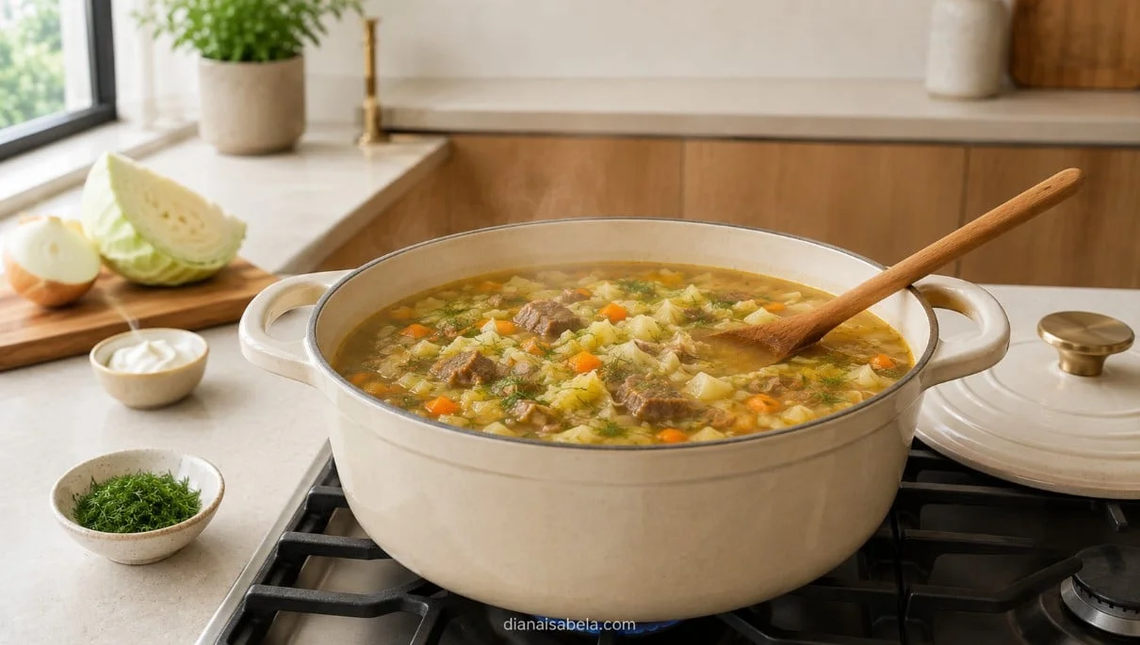
shchi soup near me is more than a practical food search; it can be the beginning of a journey into one of Russia’s most enduring culinary traditions. Made in many regional forms, shchi is a comforting soup commonly associated with cabbage, broth, vegetables, and a patient style of cooking. Moreover, its appeal lies in its simplicity. Rather than depending on elaborate ingredients, the dish demonstrates how everyday foods can become deeply meaningful through family traditions, seasonal cooking, and generations of adaptation. For diners searching locally, that history can make an ordinary bowl feel surprisingly intimate.
The Long History Behind a Humble Soup
Shchi has occupied an important place in Russian food culture for centuries, developing alongside rural cooking traditions where cabbage was practical, affordable, and available for much of the year. Consequently, the soup became adaptable rather than rigid. Some versions are prepared with fresh cabbage, while others use sauerkraut for a sharper character. Meat, mushrooms, potatoes, carrots, onions, herbs, and sour cream may also appear, depending on the household or region. That flexibility is precisely what makes shchi fascinating: there is no single bowl capable of representing every version of the dish.
What to Expect When Looking for Shchi Soup Near Me
When someone types shchi soup near me into a search engine, they are usually looking for more than a definition. They want to know where the dish is served, what style to expect, and whether the experience will resemble traditional Russian cooking. Therefore, the best local search is one that considers authenticity alongside personal preference. A restaurant specializing in Eastern European cuisine may offer a richer, meat-based preparation, while a modern café could present a lighter vegetarian interpretation. Reading menus carefully can reveal whether the kitchen treats shchi as heritage food or as a contemporary seasonal soup.
Fresh Cabbage or Sauerkraut? The Character Changes Completely
One of the most interesting differences between shchi preparations comes from the cabbage itself. Fresh cabbage generally produces a gentler, rounder soup, whereas sauerkraut introduces acidity and a more pronounced fermented flavor. As a result, two restaurants can serve dishes carrying the same name yet create noticeably different experiences. The broth, cooking time, herbs, and accompanying ingredients further influence the final character. For first-time diners searching for shchi soup near me, asking which version the kitchen serves can be a useful way to choose a bowl that matches their preferred flavor profile.
Why Sour Cream Matters
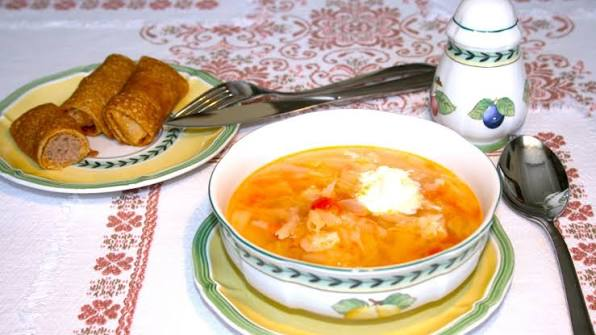
A spoonful of sour cream can transform the personality of shchi. Its cool richness softens acidity, rounds out the broth, and creates a contrast with warm vegetables and cabbage. Traditionally, sour cream also contributes to the communal quality of the meal because diners can adjust their bowl according to taste. However, the topping is not merely decorative. It demonstrates a broader principle found throughout Eastern European cooking: relatively simple ingredients can create complexity when their textures, temperatures, and flavors are carefully balanced.
The Restaurant Experience Is Part of the Story
Finding shchi soup near me can also become an exploration of atmosphere. A restaurant serving Russian or Eastern European food may surround the dish with other familiar culinary traditions, from rye bread and pickled vegetables to dumplings and hearty meat dishes. Meanwhile, the dining room itself can influence how the soup feels. A quiet neighborhood restaurant may make the meal seem domestic and nostalgic, whereas a contemporary establishment might frame shchi as part of a broader conversation about heritage cuisine. Either way, context gives the bowl meaning beyond its ingredients.
Shchi as a Portrait of Seasonal Cooking
Seasonality is central to understanding why shchi became so enduring. Cabbage stores well, fermented vegetables can last through colder months, and root vegetables provide substance when fresh produce is limited. Thus, the soup reflects a practical relationship with the landscape and the calendar. Modern diners may encounter shchi at any time of year, but its historical character is especially easy to appreciate during cold weather. A steaming bowl can feel less like a trendy comfort food and more like an edible reminder of how earlier generations organized meals around what could be grown, preserved, and stored.
How to Choose a Good Bowl Locally
A useful search for shchi soup near me should go beyond the first restaurant listing. Look for menus that identify the ingredients clearly and, where possible, describe the style of preparation. Reviews can also reveal whether diners noticed balanced seasoning, generous portions, fresh ingredients, or a convincing homemade quality. Additionally, restaurants with a broader Eastern European menu may provide valuable context because shchi is often presented alongside other regional specialties. The strongest choice is not necessarily the most expensive venue; often, a modest restaurant with a focused menu can offer the more memorable interpretation.
What Makes Shchi Different From Other Cabbage Soups?
Shchi belongs to a wider family of cabbage-based soups, yet its identity comes from its particular culinary history and balance. Its flavor can range from mild and vegetable-forward to deeply savory and tangy. Unlike dishes that depend on a highly concentrated spice profile, shchi often gains complexity through slow cooking and fermentation. Consequently, its appeal is subtle. It rewards attention to broth, texture, acidity, and the way cabbage integrates with the other ingredients rather than demanding immediate attention through heat or heavy seasoning.
A Bowl That Connects Home Cooking and Public Dining
Perhaps the most compelling quality of shchi is its relationship with home. Many traditional dishes become symbols of culture because they are prepared repeatedly in ordinary kitchens rather than reserved for celebrations. Shchi fits that pattern particularly well. It can be economical, adaptable, filling, and comforting, which gives it a practical intimacy. When a restaurant serves a thoughtful version, it effectively brings a piece of that domestic tradition into a public setting. That transition from family pot to restaurant menu is one reason heritage dishes remain relevant in contemporary food culture.
The Human Meaning of Comfort Food
Comfort food is rarely about taste alone. Instead, it often carries associations with weather, family, childhood, routine, and belonging. Shchi can evoke those feelings through its warmth and familiar ingredients, even for diners encountering it for the first time. Moreover, its simplicity leaves room for personal interpretation. One person may remember a grandmother’s sauerkraut version, while another may associate the dish with a winter meal discovered during travel. Searching for shchi soup near me can therefore become an unexpectedly personal food experience.
A Simple Bowl With Remarkable Cultural Depth
The continuing interest in shchi demonstrates how culinary traditions survive by adapting without losing their essential character. Restaurants can modify ingredients, accommodate vegetarian diners, or present the soup in modern surroundings while retaining the fundamental idea of a nourishing cabbage-based broth. In that sense, shchi is not frozen in history. Instead, it remains alive because cooks continue to reinterpret it. A local bowl may never perfectly reproduce a family recipe from another country, but it can still communicate something meaningful about the culture from which the dish emerged.
Conclusion: Looking for More Than Soup
The search for shchi soup near me ultimately reveals how local dining can open a window onto global culture. What begins as a request for a warm meal can lead to questions about migration, preservation, seasonal cooking, family memory, and the evolution of traditional recipes. Shchi remains compelling precisely because it does not need extravagance to make an impression. Its cabbage, broth, vegetables, and optional accompaniments tell a quieter story—one rooted in practicality, patience, and continuity. For anyone willing to look beyond the menu description, the right bowl offers not simply nourishment, but a taste of living culinary history.