
Argentine Desserts Near Me: Finding a Taste of Argentina’s Sweet Culture
Argentine Desserts Near Me is more than a search for something sweet; it is an invitation to discover a culinary tradition shaped by family gatherings, European influences, neighborhood bakeries, and a deep appreciation for shared moments. From delicate alfajores filled with dulce de leche to flaky medialunas and beautifully layered Rogel cake, Argentina offers desserts that balance simplicity with indulgence. Whether you are visiting a local Latin American bakery or exploring an unfamiliar dessert menu, these traditional sweets provide a delicious introduction to Argentine culture.
Why Argentine Desserts Hold a Special Place in Food Culture
Desserts in Argentina are closely connected to everyday life. Families often enjoy something sweet after lunch or dinner, while cafés provide welcoming spaces for friends to meet over coffee and pastries. Moreover, many recipes reflect generations of culinary exchange, particularly between Spanish and Italian immigrants and local Argentine traditions. Consequently, Argentine sweets feel both familiar and distinctive. Their appeal comes not only from flavor but also from the memories, celebrations, and social connections associated with them.
Alfajores: The Sweet Treat That Defines Argentina
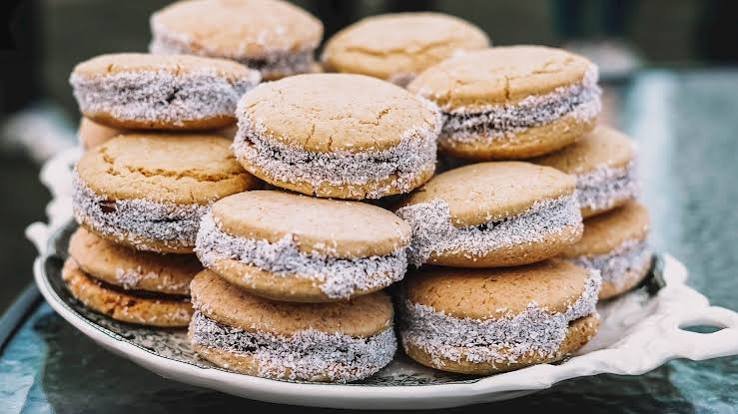
Alfajores are among the most recognizable Argentine desserts. These small sandwich cookies typically feature two tender biscuits joined by dulce de leche, a rich caramel-like spread made from slowly heated milk and sugar. Some varieties are coated in chocolate, while others receive a delicate layer of powdered sugar or shredded coconut. When searching for Argentine desserts near me, alfajores are an excellent starting point because they are portable, widely loved, and often available in several regional styles. Their contrasting textures make every bite memorable.
Dulce de Leche: The Heart of Argentine Desserts
Dulce de leche is central to Argentina’s dessert identity. Its smooth consistency, deep caramel flavor, and creamy sweetness make it a popular filling for cakes, cookies, pastries, and pancakes. In addition, bakeries frequently use it as a topping or serve it alongside other sweets. Although similar milk-based confections exist in other countries, dulce de leche has a particularly strong place in Argentine food culture. For anyone exploring Argentine desserts near me, tasting a dessert featuring this ingredient offers a direct connection to one of the country’s most cherished culinary traditions.
Rogel Cake: A Celebration-Worthy Argentine Classic
Rogel cake is an impressive dessert made with thin, crisp layers of pastry separated by generous amounts of dulce de leche. Traditionally, its top is finished with a soft meringue that creates an elegant contrast with the caramel filling. Because preparing the layers requires care and patience, Rogel is especially suited to celebrations, family gatherings, and special occasions. Nevertheless, some Argentine bakeries offer individual portions for customers who want to try it without ordering a whole cake. Its combination of delicate crunch and creamy sweetness makes it a memorable choice.
Medialunas: A Beloved Companion to Coffee
Medialunas are crescent-shaped pastries commonly enjoyed at breakfast or during an afternoon coffee break. Although they resemble croissants, Argentine medialunas often have a softer texture and a slightly sweet finish. Some are brushed with syrup after baking, giving them a delicate shine and additional flavor. They are particularly popular in traditional cafés, where customers may order several pastries to share over conversation. When exploring Argentine desserts near me, look for medialunas in bakeries that prepare fresh pastries throughout the day. They offer a simple but authentic taste of Argentina’s café culture.
Pastafrola: Homemade Comfort in Every Slice
Pastafrola is a traditional tart usually prepared with a buttery pastry crust and a filling of quince paste, known as dulce de membrillo. Some versions use sweet potato paste instead, while others introduce small variations according to family recipes. Its distinctive lattice top gives the tart a rustic appearance that feels particularly inviting. Unlike elaborate celebration cakes, pastafrola is closely associated with everyday home baking. Therefore, finding it at a neighborhood bakery can provide a glimpse into the comforting, practical side of Argentine dessert traditions.
Chocotorta: Argentina’s No-Bake Dessert Favorite
Chocotorta is a popular Argentine dessert made by layering chocolate cookies with a creamy mixture of dulce de leche and cream cheese. After chilling, the layers soften and combine into a rich, sliceable cake. Because it requires no traditional oven baking, it has become a favorite for birthdays, family parties, and casual celebrations. Its preparation is straightforward, yet the finished dessert feels indulgent. If a bakery offers chocotorta, it is worth considering for anyone who prefers chocolate-based desserts over delicate pastries or fruit-filled tarts.
Which Argentine Dessert Should You Try First?
Choosing between Argentine sweets depends on your preferred flavors and textures. Fortunately, many bakeries offer individual servings, making it easier to sample different specialties without committing to a large purchase.
| Dessert | Flavor and texture | Best for |
|---|---|---|
| Alfajores | Soft biscuits with creamy caramel filling | A quick sweet snack |
| Rogel cake | Crisp pastry layers and dulce de leche | Celebrations and special treats |
| Medialunas | Soft, lightly sweet pastry | Breakfast or coffee |
| Pastafrola | Buttery crust with fruit paste | Traditional homemade flavor |
| Chocotorta | Creamy, chocolatey, and rich | Chocolate lovers |
| Dulce de leche pastries | Sweet, smooth, and caramel-like | Fans of creamy fillings |
Ultimately, sampling two or three varieties is often the best way to discover your favorite.
How to Find Authentic Argentine Desserts Near Me
Finding a good Argentine dessert locally requires more than choosing the closest bakery. Instead, look for businesses that identify their pastries by their traditional names and provide clear descriptions of ingredients and preparation.
Start by searching for Argentine bakeries, Latin American cafés, and specialty pastry shops in your area. Next, review their menus and photographs to see whether they offer alfajores, medialunas, Rogel cake, or other recognizable specialties. Customer reviews can also help you understand freshness, portion sizes, and product availability.
Additionally, consider calling ahead if you want a specific dessert. Some traditional cakes are prepared for weekends, holidays, or advance orders rather than stocked every day. By checking availability before visiting, you can avoid disappointment and discover places that take pride in their baking.
What Makes an Argentine Bakery Worth Visiting?
A memorable bakery experience involves more than an attractive display. Freshness, balanced sweetness, consistent pastry texture, and knowledgeable staff all contribute to the quality of the visit. Furthermore, a bakery that explains its traditional recipes can help customers understand what distinguishes one dessert from another.
Look for pastries that appear freshly prepared and are stored appropriately. Ask whether the alfajores are homemade, which filling is used in the pastafrola, or whether the Rogel cake is available by the slice. These small questions can lead to useful recommendations. Even if you are unfamiliar with Argentine cuisine, a welcoming bakery should make it easy to explore its specialties.
Argentine Desserts for Family Gatherings and Special Occasions
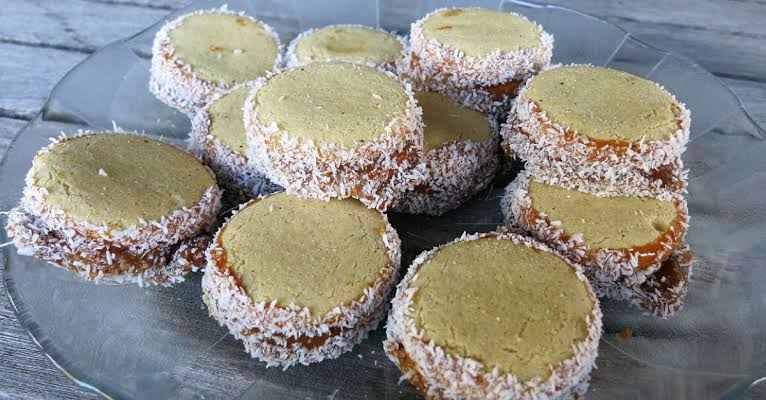
Argentine sweets are especially appealing when shared. A box of alfajores makes a thoughtful gift, while a whole Rogel cake can become the centerpiece of a family celebration. Similarly, medialunas and smaller pastries work well for brunches, office gatherings, and informal visits with friends.
Different desserts also suit different occasions. For instance, chocotorta is a practical choice for casual parties, whereas a beautifully layered cake may feel more appropriate for a formal celebration. Meanwhile, individually wrapped alfajores are convenient for travel or sharing with colleagues. By matching the dessert to the occasion, you can turn a simple purchase into a meaningful gesture.
Are Argentine Desserts Always Very Sweet?
Many Argentine desserts feature dulce de leche, sugar, chocolate, or sweet pastry dough, so some varieties are quite rich. However, their sweetness varies considerably. Medialunas may offer a gentler flavor, while fruit-filled pastafrola introduces a different balance of sweetness and acidity. Alfajores also vary depending on the biscuit, filling, and coating.
If you prefer less intense flavors, consider sharing a rich dessert or ordering a smaller portion. Coffee can provide a pleasant contrast to caramel-heavy pastries, while fruit-based options may offer a different experience. Reading ingredient descriptions and asking bakery staff about sweetness levels can help you choose something that suits your preferences.
Bringing Argentina’s Dessert Traditions Into Your Own Kitchen
Exploring these sweets can also inspire home baking. Alfajores are a rewarding introduction for people who enjoy making cookies, while chocotorta offers a simpler option for those who prefer desserts without complicated baking techniques. Pastafrola, meanwhile, introduces the pleasure of combining homemade pastry with a traditional fruit filling.
However, authenticity does not require every recipe to be prepared exactly the same way. Family recipes often differ in texture, decoration, and ingredient proportions. Trying a traditional recipe and then adapting it to available ingredients can be a practical way to appreciate Argentine food culture. The important part is understanding the dessert’s origins and respecting the traditions behind it.
Frequently Asked Questions About Argentine Desserts Near Me
What is the most famous Argentine dessert?
Alfajores are among Argentina’s best-known sweets, particularly those filled with dulce de leche. They are popular in bakeries, cafés, supermarkets, and gift shops.
Where can I find Argentine desserts near me?
Look for Argentine bakeries, Latin American pastry shops, and cafés specializing in South American food. Check their menus and contact them to confirm which desserts are currently available.
What should I order if I have never tried Argentine sweets?
Start with an alfajor or medialuna. Both provide an accessible introduction to Argentine pastry traditions, and they pair well with coffee.
Are Argentine desserts suitable for celebrations?
Yes. Rogel cake, chocotorta, and boxes of alfajores are popular choices for birthdays, family gatherings, and other occasions. Availability and ordering requirements vary by bakery.
Do Argentine desserts contain common allergens?
Many contain wheat, milk, eggs, or other common allergens. Ingredients vary by recipe, so check with the bakery before ordering if you have a food allergy.
Conclusion: Discovering More Than Something Sweet
Argentine Desserts Near Me offers a starting point for discovering the flavors, traditions, and everyday rituals that make Argentina’s dessert culture distinctive. From the familiar comfort of alfajores to the celebratory elegance of Rogel cake, each sweet reflects a different part of the country’s culinary story.
Ultimately, the best discovery may not be the most elaborate pastry or the most famous recipe. It may be a fresh medialuna enjoyed with coffee, a slice of pastafrola shared with family, or a neighborhood bakery that introduces you to something new. By exploring thoughtfully, asking questions, and trying different specialties, you can turn an ordinary dessert search into a small but meaningful cultural experience.