
Introduction: Best Alfajores Argentinos Near Me and the Taste of Argentina
Best Alfajores Argentinos Near Me is a search that often begins with a simple craving but leads to a delicious discovery of Argentine food culture. These traditional sandwich cookies combine tender biscuits, rich dulce de leche, and, in many varieties, a coating of chocolate or a dusting of coconut. Although bakeries worldwide increasingly offer Latin American desserts, authentic alfajores remain closely connected to Argentina’s culinary identity. Therefore, finding a good local bakery is not simply about satisfying a sweet tooth; it is also an opportunity to experience a dessert shaped by tradition, family memories, and regional craftsmanship.
What Makes Argentine Alfajores So Special?
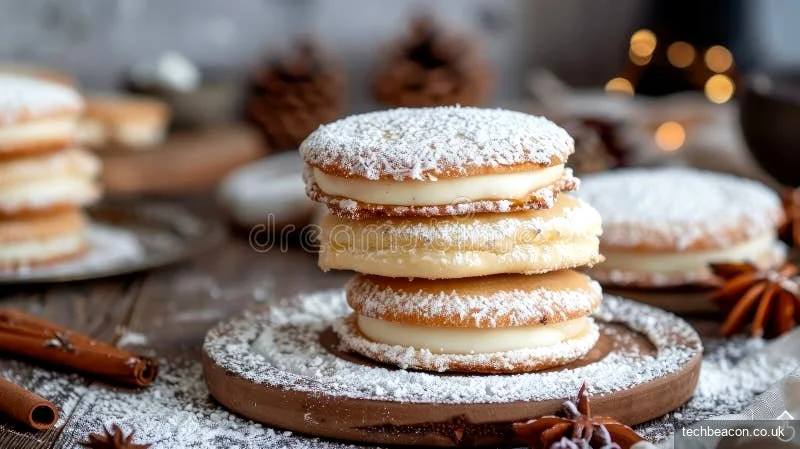
Argentine alfajores stand apart because of their balance of texture, sweetness, and flavour. Traditionally, two soft biscuits surround a generous layer of dulce de leche, a caramel-like milk confection that is central to many Argentine desserts. Depending on the recipe, the biscuits may be delicate and crumbly or slightly firmer, while the filling provides a smooth, creamy centre.
Moreover, different bakeries interpret the traditional recipe in their own ways. Some prepare classic cornstarch alfajores rolled in shredded coconut, whereas others dip their creations in dark or milk chocolate. Consequently, even a familiar dessert can offer a different experience depending on the baker, ingredients, and regional influences.
Where to Find the Best Alfajores Argentinos Near Me
Finding excellent alfajores locally requires more than choosing the first bakery that appears in a search result. Instead, look for Latin American bakeries, Argentine cafés, independent pastry shops, and specialty food stores that mention traditional South American desserts on their menus.
Additionally, online reviews and customer photographs can help you understand what a bakery actually offers. Look for descriptions of fresh biscuits, generous dulce de leche fillings, and carefully finished chocolate coatings. If the menu does not specify whether the alfajores are made in-house, ask the staff about their preparation methods. This small question can help distinguish freshly prepared pastries from packaged alternatives.
The Classic Varieties Worth Trying
Argentine alfajores come in several popular styles, each offering its own combination of flavour and texture. Although recipes differ between producers, three varieties are particularly worth exploring when visiting a specialist bakery.
Traditional Cornstarch Alfajores
Known for their delicate texture, cornstarch alfajores are often called alfajores de maicena. Their biscuits are light and crumbly, with dulce de leche sandwiched between them and shredded coconut around the exposed filling. As a result, they offer a gentle sweetness that does not depend on a heavy chocolate coating.
Chocolate-Covered Alfajores
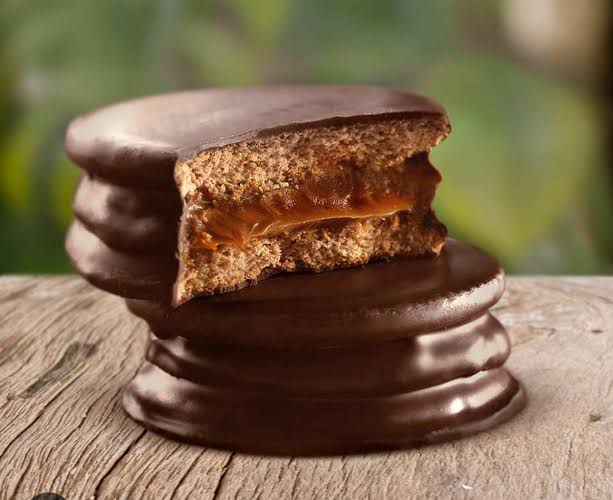
Chocolate alfajores are popular among people who enjoy a richer dessert. The biscuits and dulce de leche are enclosed in a chocolate shell, creating a contrast between the slightly firm exterior and soft interior. Depending on the producer, the coating may be dark, milk, or white chocolate.
Regional and Gourmet Alfajores
Many Argentine producers experiment with biscuit thickness, chocolate quality, filling proportions, and additional flavours. Some offer fruit preserves, nuts, or alternative dulce de leche combinations. Nevertheless, the best versions maintain a clear relationship between the filling and the biscuit rather than allowing extra ingredients to overwhelm the traditional character.
How to Recognise a High-Quality Alfajor
A good alfajor should feel carefully made rather than excessively sweet or overly complicated. While personal preferences differ, a few practical signs can help you evaluate the quality of a bakery’s selection.
- Texture: The biscuits should suit their style, whether soft, tender, or lightly crumbly.
- Filling: Dulce de leche should taste creamy and rich without making the entire dessert unpleasantly sweet.
- Balance: The biscuit, filling, and coating should complement one another.
- Freshness: The pastry should have an appealing aroma and a texture appropriate to its variety.
- Presentation: A neat chocolate coating or an even layer of coconut can indicate careful preparation, although appearance alone does not guarantee quality.
Furthermore, ask whether the bakery prepares its alfajores on-site or sources them from an Argentine producer. Both options can be excellent, but knowing the origin helps you understand what you are buying.
Argentine Alfajores and the Cultural Meaning of Dulce de Leche
To understand why alfajores are so beloved, it helps to look beyond their ingredients. In Argentina, dulce de leche appears in cakes, pastries, ice cream, and countless homemade sweets. Alfajores bring this familiar flavour into a convenient form that can be enjoyed at home, shared with friends, or offered as a small gift.
Moreover, the dessert occupies a place in everyday food culture rather than belonging exclusively to special occasions. Packaged alfajores are widely associated with travel, school breaks, afternoon snacks, and visits to family. Meanwhile, homemade versions often carry the personal touch of a particular kitchen or family recipe.
As Argentine food becomes more visible internationally, alfajores also provide a welcoming introduction to the country’s culinary traditions. For people encountering them for the first time, the combination of biscuits and dulce de leche offers something immediately approachable while still reflecting a distinctive national food heritage.
Enjoying Alfajores at a Local Bakery or Café
Part of the pleasure of discovering a nearby bakery is experiencing the dessert in its intended setting. An alfajor paired with coffee, tea, or a glass of milk can make a simple afternoon break feel more memorable. However, the ideal pairing depends on the variety you choose.
A chocolate-covered alfajor often works well with unsweetened coffee because the bitterness balances the dessert’s sweetness. Conversely, a traditional cornstarch version may pair comfortably with tea or a mild coffee. If you are visiting an Argentine café, consider asking the staff which variety they recommend for a first-time customer.
You can also buy a small selection instead of committing to a single type. This approach allows you to compare textures and fillings, discover your personal favourite, and better understand the variety within Argentine pastry-making.
Buying Alfajores to Take Home or Give as a Gift
Alfajores are practical gifts because they are individually portioned, attractive, and easy to share. Nevertheless, packaging and storage matter, especially if you are purchasing them for a journey or a special occasion.
Before buying, check the manufacturer’s storage instructions, expiration date, and any guidance about refrigeration. Chocolate-covered varieties may be sensitive to heat, while fresh bakery versions may have a shorter shelf life than commercially packaged products.
Additionally, inspect ingredient and allergen information if the treats are intended for someone else. Recipes can contain wheat, milk, eggs, or other ingredients that matter to people with allergies or dietary restrictions. Therefore, a quick conversation with the seller can make a gift both thoughtful and suitable.
A Simple Comparison of Popular Alfajores
| Variety | Main characteristics | Best for |
|---|---|---|
| Cornstarch alfajor | Tender biscuits, dulce de leche, coconut | Those who enjoy a delicate texture |
| Chocolate alfajor | Chocolate coating and creamy filling | Chocolate lovers |
| Gourmet alfajor | Creative flavours and premium ingredients | Exploring new combinations |
| Packaged alfajor | Convenient, individually wrapped portions | Travel and everyday snacks |
Although these categories provide a useful starting point, individual recipes vary considerably. Therefore, trying products from different Argentine bakeries may reveal more meaningful differences than relying on the variety name alone.
Frequently Asked Questions
What are Argentine alfajores made of?
Argentine alfajores typically consist of two biscuits joined by dulce de leche. Depending on the recipe, they may also include shredded coconut, a chocolate coating, or other flavourings.
Are Argentine alfajores always covered in chocolate?
No. Traditional cornstarch alfajores are commonly finished with shredded coconut around the filling, while other varieties may have chocolate coatings or remain uncoated.
How can I find authentic alfajores near me?
Search for Argentine bakeries, Latin American cafés, and specialist food stores. Then check their menus, customer reviews, ingredient descriptions, and whether they sell Argentine-made or freshly prepared products.
Can alfajores be bought as gifts?
Yes. Individually wrapped or neatly boxed alfajores make convenient gifts. However, check their shelf life and storage requirements before purchasing them for travel or a special occasion.
Conclusion: Finding More Than a Sweet Treat
Searching for the Best Alfajores Argentinos Near Me can lead to more than a satisfying dessert. It can introduce you to the flavours, traditions, and everyday rituals that make Argentine food culture distinctive. From delicate cornstarch biscuits to chocolate-covered creations, each variety offers a different interpretation of the familiar combination of pastry and dulce de leche.
Ultimately, the most rewarding choice is the alfajor that balances flavour, texture, and freshness according to your own preferences. Explore independent bakeries, ask questions about ingredients and preparation, and compare a few varieties before settling on a favourite. In doing so, you may discover that a small dessert can offer a meaningful connection to a culinary tradition that continues to travel far beyond Argentina’s borders.