Best Empanada Gallega Near Me: A Taste of Spanish Culinary Heritage
Best Empanada Gallega Near Me is a useful starting point for anyone hoping to discover one of Spain’s most comforting traditional foods. Originating in Galicia, a region in northwestern Spain, empanada gallega combines a golden pastry crust with a savoury filling that reflects generations of home cooking. Today, this regional speciality can be found in Spanish bakeries, Latin American restaurants, and independent food shops around the world. Moreover, its combination of simple ingredients, rich flavour, and cultural history makes it much more than an ordinary savoury pie.
What Makes Empanada Gallega Different from Other Empanadas?
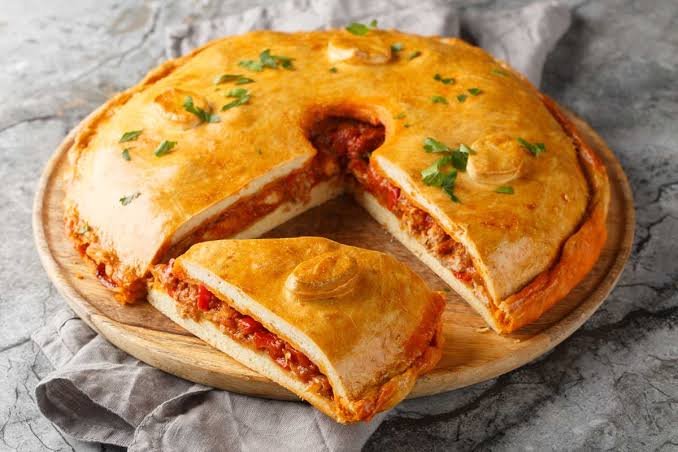
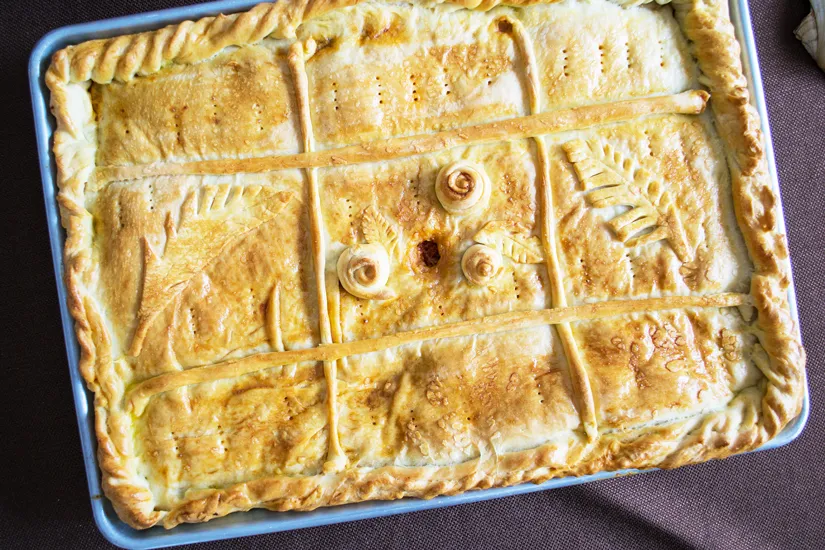
Although many countries have their own versions of empanadas, the Galician variety has a distinctive identity. Rather than consisting mainly of small, individually folded pastries, traditional empanada gallega is often prepared as a large, flat pie with a pastry top and bottom. It is then cut into convenient portions for sharing. Furthermore, its filling typically features onions, peppers, tomatoes, tuna, or other ingredients, depending on the regional recipe and family tradition.
The pastry also plays an important role in its character. A well-made crust should be tender, flavourful, and sturdy enough to hold the filling without becoming unpleasantly soggy. Consequently, the balance between pastry and filling often distinguishes an excellent example from an average one. For anyone searching for authentic Galician food, these details are worth considering before choosing a bakery or restaurant.
Where to Find the Best Empanada Gallega Near Me
Finding the best empanada gallega near me often begins with exploring establishments that specialise in Spanish or Galician cuisine. Traditional Spanish bakeries may prepare fresh pies throughout the day, while tapas restaurants sometimes offer empanada as a starter or a shared dish. Additionally, Latin American bakeries can be useful places to investigate, although their empanadas may follow different regional traditions.
Online restaurant listings, customer reviews, and food photographs can help narrow the options. However, it is worth checking whether a business specifically offers Galician-style empanada rather than a different type of empanada. If authenticity matters to you, look for descriptions mentioning Spanish recipes, traditional pastry preparation, or Galician ingredients. Calling ahead can also confirm availability, portion sizes, and whether whole pies can be ordered for family meals or gatherings.
Traditional Fillings That Define the Galician Experience
One reason this speciality remains popular is its versatility. Although recipes vary, several fillings are closely associated with Galician cooking. Each offers a different experience, from the savoury richness of seafood to the comforting depth of slow-cooked vegetables.
- Tuna and vegetables: A widely recognised combination featuring tuna, onions, peppers, and tomato.
- Cod: A seafood option appreciated for its savoury flavour and traditional associations with Spanish cooking.
- Meat: Beef or pork fillings offer a hearty alternative, often accompanied by onions and peppers.
- Vegetables: Seasonal vegetables provide a satisfying option for people seeking a meat-free filling.
Nevertheless, the exact ingredients can differ between regions, bakeries, and households. Therefore, asking about the filling before ordering is a sensible way to find a version that suits your preferences.
The Cultural Story Behind Galicia’s Favourite Savoury Pie
Empanada gallega reflects Galicia’s longstanding relationship with agriculture, fishing, and communal meals. Located along Spain’s Atlantic coast, Galicia has a culinary identity shaped by seafood, local produce, and practical cooking traditions. A large filled pie was especially convenient because it could be prepared in advance, transported easily, and divided among several people.
Over time, the dish became associated with everyday meals, celebrations, and family gatherings. Moreover, its adaptable recipe allowed cooks to use ingredients that were readily available in their communities. Seafood fillings reflected coastal resources, while meat and vegetable versions offered alternatives based on household preferences and local supplies.
Today, Galician communities and Spanish food enthusiasts continue to celebrate this culinary heritage. As a result, discovering empanada gallega is also an opportunity to explore how food preserves cultural identity across generations and geographical boundaries.
How to Recognise a Well-Made Empanada
When comparing places that appear in a search for the best empanada gallega near me, pay attention to the preparation and presentation rather than relying entirely on photographs. A golden, evenly baked crust can indicate careful cooking, while a balanced filling should taste savoury without overwhelming the pastry.
Freshness matters, too. Ideally, the pastry should remain pleasant to eat, and the filling should be moist without releasing excessive liquid. In addition, the ingredients should complement one another instead of tasting like separate components placed inside a crust.
Customer reviews can offer useful clues about consistency, portion sizes, and service. However, individual preferences differ, so one person’s favourite bakery may not be the ideal choice for everyone. Whenever possible, try a single portion first before ordering a large pie for a gathering.
Ordering Empanada Gallega for Different Occasions
Part of the dish’s appeal lies in its flexibility. A slice makes a convenient lunch, while a whole pie can become the centrepiece of a casual gathering. Similarly, empanada gallega works well for picnics, office lunches, family celebrations, and shared meals.
For a quick meal, a bakery serving individual portions may be the most convenient option. On the other hand, restaurants offering freshly prepared pies might suit diners who want to enjoy the dish alongside salads, olives, or other Spanish specialities. If you are planning an event, ask whether advance orders are available and how the pie should be stored or reheated.
Furthermore, consider the needs of everyone sharing the meal. Seafood, meat, and vegetable fillings provide different choices, while checking allergen information is important for guests with dietary restrictions.
Empanada Gallega Compared with Other Popular Empanadas
Although the word empanada appears across many culinary traditions, the finished dishes can differ considerably. Understanding these differences helps diners choose the style they actually want.
| Feature | Empanada Gallega | Many Latin American Empanadas |
|---|---|---|
| Typical shape | Often a large, flat pie cut into portions | Frequently small, individually folded pastries |
| Pastry | Usually a baked pastry crust | May be baked or fried, depending on the region |
| Common fillings | Tuna, cod, meat, and vegetables | Meat, cheese, chicken, vegetables, and regional combinations |
| Serving style | Shared slices or individual portions | Often served individually as snacks, starters, or meals |
These are general distinctions rather than universal rules. Both traditions include substantial regional variation, and recipes can overlap. Nevertheless, the comparison explains why asking specifically for the Galician style matters when searching for an authentic experience.
Making the Most of Your First Taste
If you have never tried this Spanish speciality, start with a classic tuna and vegetable filling. It offers a useful introduction to the relationship between the savoury filling and the pastry. Alternatively, a meat version may appeal if you prefer deeper, heartier flavours.
For the best experience, enjoy a freshly prepared slice when possible. Pair it with a simple salad or another light accompaniment so that the pastry and filling remain the focus. Additionally, ask the staff which version is particularly popular or prepared fresh that day. Local recommendations can reveal options that are not immediately obvious from an online menu.
Most importantly, approach the dish with curiosity. A traditional recipe may differ slightly from what you expect, but these differences often tell an interesting story about the people and places behind the food.
Frequently Asked Questions
What is empanada gallega made of?
Empanada gallega is a savoury Spanish pie made with pastry and a filling that may include tuna, cod, meat, onions, peppers, and tomatoes. Recipes vary according to regional and family traditions.
Is empanada gallega usually baked or fried?
Traditional empanada gallega is generally baked. This produces a golden pastry exterior and allows the filling to cook within the pie.
Is Galician empanada different from Argentine empanadas?
Yes. Galician empanada is commonly prepared as a large pie cut into slices, whereas Argentine empanadas are typically individual folded pastries. However, ingredients and preparation methods vary within both traditions.
How can I find an authentic version nearby?
Search for Spanish bakeries, Galician restaurants, and businesses that specifically mention empanada gallega on their menus. Check recent reviews and contact the establishment to confirm the recipe and availability.
Conclusion: Finding More Than a Good Meal
Searching for the best empanada gallega near me can lead to more than a satisfying lunch. It can introduce diners to a culinary tradition shaped by Galicia’s landscape, local ingredients, and culture of sharing food. From a simple tuna-filled slice to a generously prepared family pie, each version offers a different interpretation of a familiar regional classic.
Ultimately, the best choice depends on freshness, flavour, preparation, and personal preference. By exploring specialist bakeries, asking thoughtful questions, and comparing authentic recipes, diners can discover a version that suits their tastes. In doing so, they also experience a small but meaningful connection to the food traditions that continue to bring people together across generations and borders.