
best empanada de humita near me is more than a search for a convenient snack; it can be a search for a particular taste of Argentine culinary culture. Golden pastry wrapped around a creamy corn filling offers a combination of sweetness, richness, and gentle seasoning that feels both comforting and distinctive. Although empanadas are enjoyed across Argentina and much of Latin America, humita brings its own identity to the table. Finding a memorable version nearby therefore becomes an exploration of ingredients, preparation, regional influence, and the small details that turn a familiar pastry into something worth seeking out.
Why Humita Empanadas Have Such a Distinctive Character
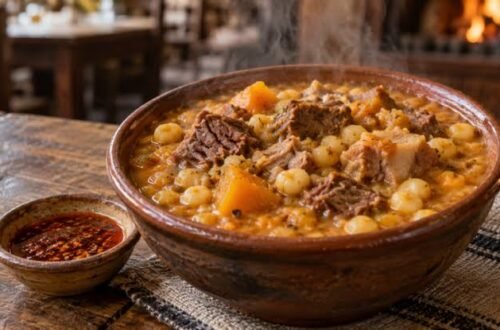
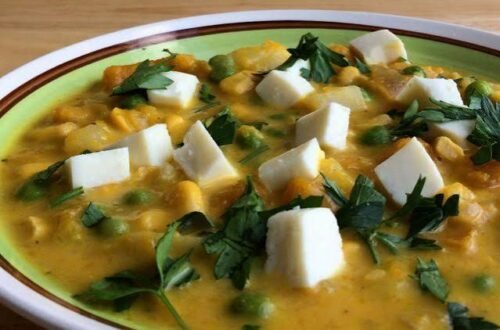
Humita is traditionally associated with sweet corn, often combined with ingredients such as onion, milk, cheese, and seasonings. Consequently, its flavor profile differs from meat-filled empanadas, where savory richness tends to dominate. Instead, humita balances sweetness with creaminess and aromatic depth. The corn should remain recognizable rather than disappearing into a heavy sauce, while the filling needs enough seasoning to prevent it from tasting flat. For many diners, this balance is what makes the dish memorable. It feels substantial without being overwhelming, making it suitable for lunch, a casual afternoon bite, or a shared meal.
What to Look for When Searching Nearby
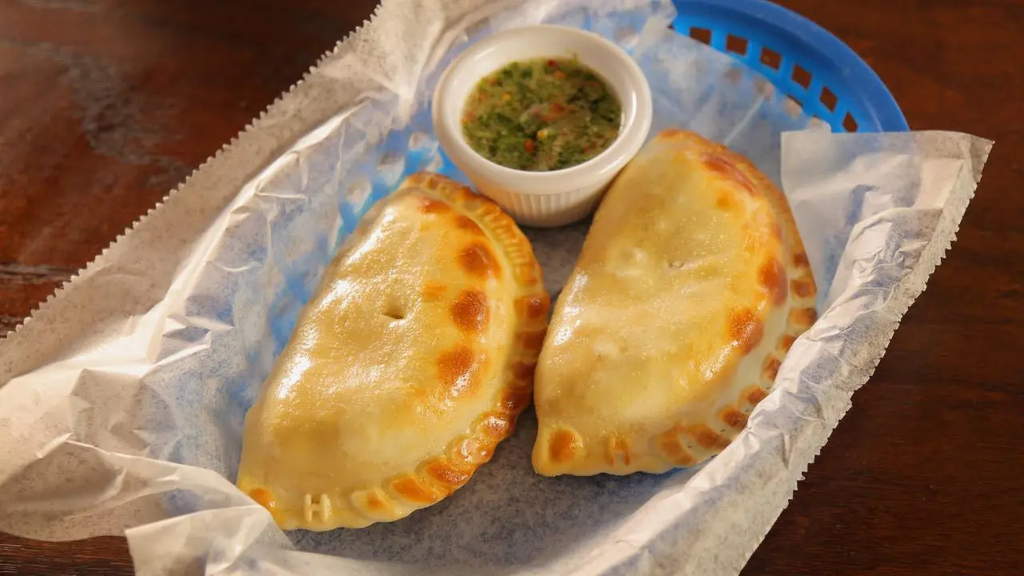
When people search for the best empanada de humita near me, convenience is usually only part of the equation. Quality depends on several small details that become obvious after the first bite. Look for pastry that is crisp and properly baked, yet sturdy enough to contain the filling. Inside, the corn mixture should be creamy but not watery. Furthermore, fresh onion, balanced seasoning, and a noticeable corn flavor can indicate careful preparation. A restaurant or bakery that prepares empanadas regularly may also offer different cooking styles, giving diners an opportunity to discover whether baked or fried versions better suit their preference.
The Corn Filling Is Where the Story Begins
Corn gives humita its personality. Unlike fillings that rely primarily on meat or heavily seasoned vegetables, this preparation allows a naturally sweet ingredient to become the center of attention. Traditionally, cooks have developed different approaches to humita depending on region, family tradition, and available ingredients. Some preparations emphasize fresh corn, while others create a smoother, creamier texture. Cheese may add saltiness and richness, while onion contributes savory depth. Therefore, two empanadas can share the same name yet taste remarkably different. That variation is part of the appeal rather than a flaw.
Baked or Fried? The Texture Changes Everything
Preparation method can significantly influence the eating experience. Baked empanadas generally offer a lighter, firm exterior with a toasted finish, allowing the creamy filling to remain the main attraction. Fried versions, meanwhile, can provide a more pronounced crunch and richer mouthfeel. Neither approach automatically defines quality. Instead, the best choice depends on how successfully the pastry complements the filling. A delicate humita mixture can benefit from a crisp shell that provides contrast, while a heartier filling may work particularly well with a robust pastry. Trying both styles can reveal how technique changes the same traditional idea.
How Argentine Food Culture Shapes the Experience
Empanadas occupy an important place in Argentine food culture because they work across different settings. They can appear at family gatherings, neighborhood bakeries, casual restaurants, celebrations, and everyday meals. In that environment, humita represents something especially interesting: a filling that highlights agricultural ingredients rather than relying on meat. Moreover, the dish demonstrates how simple ingredients can become culturally meaningful through repetition and tradition. Searching for a local version can therefore provide more than a quick meal. It can introduce diners to a culinary tradition shaped by home cooking, regional identity, migration, and generations of adaptation.
Finding a Memorable Local Version
A useful way to approach the best empanada de humita near me is to think beyond ratings alone. Notice whether the menu describes the filling clearly and whether the establishment specializes in Argentine or broader Latin American cooking. Customer photographs can sometimes reveal the pastry-to-filling ratio, while reviews may mention texture, freshness, portion size, or seasoning. However, personal taste remains important. Someone who prefers pronounced sweetness may enjoy one recipe, whereas another diner may favor a cheesier and more savory filling. Ultimately, the strongest local discovery is the one that matches the experience you are looking for.
The Details That Separate an Ordinary Empanada From a Memorable One
A successful humita empanada rarely depends on one dramatic ingredient. Instead, several modest details need to work together. The pastry should be neither excessively thick nor fragile. The filling should remain moist without leaking into the crust. Seasoning should support the corn instead of overpowering it. Additionally, temperature matters: a freshly prepared empanada allows the aromas of corn, onion, cheese, and spices to emerge more clearly. These details may sound subtle, but together they create the difference between something that simply satisfies hunger and something that stays in the memory.
A Dish That Connects Comfort and Culinary Identity
There is also an emotional quality to humita that helps explain its lasting appeal. Corn is familiar, inexpensive, and deeply connected to everyday cooking across the Americas. Wrapped inside pastry, it becomes portable and practical while retaining the character of a home-style preparation. As a result, humita empanadas can feel simultaneously traditional and accessible. For travelers, they may provide an introduction to Argentine flavors; for people familiar with the cuisine, they can evoke family meals and neighborhood bakeries. Food often carries these quiet associations, and this humble pastry demonstrates that beautifully.
Questions Worth Asking Before You Order
Before choosing a local empanada, a few simple questions can improve the experience. Is the filling made with fresh or processed corn? Is the empanada baked or fried? Does it contain cheese, and if so, how prominent is that flavor? Is the seasoning mild or pronounced? These questions matter because humita recipes vary considerably. Furthermore, asking about preparation can reveal whether the kitchen treats the filling as a carefully developed recipe or simply another menu option. The answers can help you understand what you are ordering before the first bite.
Frequently Asked Questions
What is an empanada de humita?
An empanada de humita is a pastry filled with a corn-based mixture. Depending on the recipe, the filling can include onion, cheese, milk, herbs, or spices. Its defining characteristic is the sweet and creamy flavor of corn.
Is humita empanada vegetarian?
Many traditional-style humita empanadas are vegetarian because their filling is based primarily on corn and vegetables. However, recipes vary, so diners with dietary restrictions should check the ingredients before ordering.
Are humita empanadas sweet or savory?
They usually sit somewhere between sweet and savory. Corn contributes natural sweetness, while onion, cheese, herbs, and seasoning introduce savory flavors. The balance varies from one recipe to another.
Should humita empanadas be baked or fried?
Both methods are common. Baking usually produces a lighter, crisp exterior, while frying creates a deeper crunch and richer texture. The better choice depends on personal preference and the specific recipe.
The Search Is Part of the Culinary Experience
The appeal of searching for the best empanada de humita near me ultimately lies in discovery. A simple online query can lead to a family-run bakery, an Argentine restaurant, or a neighborhood kitchen preparing its own interpretation of a familiar dish. Along the way, diners encounter different pastry techniques, filling textures, and regional influences. That variety is what keeps traditional foods alive. Rather than being fixed recipes preserved unchanged, they continue to evolve through the people who cook them and the communities that enjoy them.
Conclusion: More Than a Convenient Bite
A thoughtful search for the best empanada de humita near me can lead to much more than a satisfying pastry. It can open a window into Argentine food culture, where everyday ingredients are transformed through technique, memory, and tradition. The ideal version should bring together a well-baked or properly fried shell, a balanced corn filling, and enough seasoning to make every component recognizable. Most importantly, it should feel intentional. In that sense, a humble humita empanada becomes a small but meaningful expression of culinary heritage—one that is best understood, naturally, one bite at a time.