Introduction
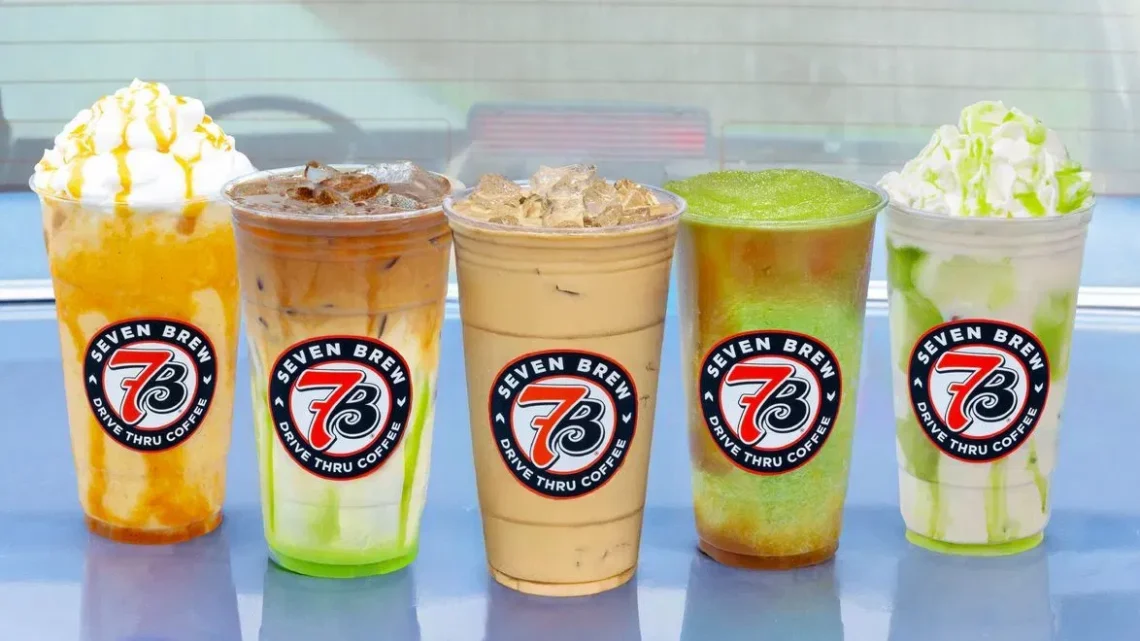
7 brew drinks have become part of a broader American drive-thru coffee culture built around speed, personalization, and memorable flavor combinations. Rather than treating coffee as a simple morning necessity, the modern drive-thru beverage experience often turns ordering into a small ritual: choosing a base, exploring flavor combinations, adjusting sweetness, and discovering something different from a conventional café menu.
The appeal extends beyond traditional coffee. The menu culture surrounding 7 Brew includes espresso-based beverages, energy drinks, teas, smoothies, shakes, and other refreshing options. Consequently, the brand represents an interesting shift in how younger consumers and busy customers approach beverages: convenience remains important, but personality and experimentation matter too.
Why the Menu Feels Different From Traditional Coffee Shops
One reason 7 brew drinks attract attention is the emphasis on variety. A conventional coffee order might revolve around roast, milk, temperature, and sweetness. However, a modern drive-thru menu can make flavor combinations equally important.
This approach reflects a wider food-and-drink trend in which consumers want products that feel personal. Instead of simply ordering “a coffee,” customers can explore combinations that suit their preferred flavor profile. As a result, the ordering process becomes part of the experience itself.
Moreover, the drive-thru format changes the social setting. Customers do not necessarily sit in a café for an extended period. They can discover a drink, customize it, and continue with their day. That combination of efficiency and personalization has helped reshape expectations around specialty beverages.
The Main Categories Behind the Menu
The variety is easier to understand when the menu is viewed through broad beverage categories rather than individual flavors. Coffee remains central, but it is only one part of the overall experience.
| Beverage category | What makes it distinctive |
|---|---|
| Espresso and coffee | Familiar coffee foundations with room for flavor customization |
| Energy drinks | Cold, colorful, flavor-focused alternatives to traditional coffee |
| Teas | Refreshing choices that can work particularly well in warmer weather |
| Smoothies | Fruit-forward beverages with a different texture and character |
| Shakes | Richer, dessert-inspired options |
| Other specialty drinks | Additional combinations designed around experimentation and variety |
This range also helps explain why the menu can appeal to people with very different beverage habits. Someone looking for a familiar coffee-style drink and someone seeking something fruity do not necessarily have to visit different types of establishments.
Flavor Customization Is Part of the Appeal
Perhaps the most interesting cultural element is customization. Modern beverage consumers increasingly expect some degree of control over what they order, and flavored drinks provide an easy way to express that preference.
For example, one person may prefer creamy and dessert-like flavors, while another may gravitate toward fruity or refreshing combinations. Meanwhile, someone else may want a stronger coffee character with only a subtle flavor addition.
Therefore, the menu is not simply a list of finished products. It can also function as a starting point for experimentation. Customers learn which flavor families they enjoy, remember successful combinations, and sometimes develop a personal “usual” order.
A Beverage Culture Built Around Discovery
The popularity of specialty drive-thru drinks also reflects the influence of social media. A visually appealing beverage can become more than something to consume; it can become something to photograph, recommend, and discuss.
That cycle creates a form of digital word-of-mouth. A customer discovers a combination, shares it with friends, and another person becomes curious enough to try it. Eventually, certain flavors develop their own reputations within local communities.
However, the appeal is not purely visual. The real staying power comes from the possibility of discovery. Customers can return repeatedly without feeling that they have exhausted the menu because different combinations offer a sense of novelty.
Choosing a Drink for the Moment
The most suitable choice often depends on the occasion rather than a universal idea of what constitutes a “perfect” beverage. A morning commute may call for something coffee-forward, while a warm afternoon may make a cold tea or fruit-oriented drink more appealing.
Similarly, someone meeting friends may enjoy trying something unfamiliar, whereas a customer rushing between activities may prefer a familiar order. In that sense, 7 brew drinks fit naturally into different moments of everyday life.
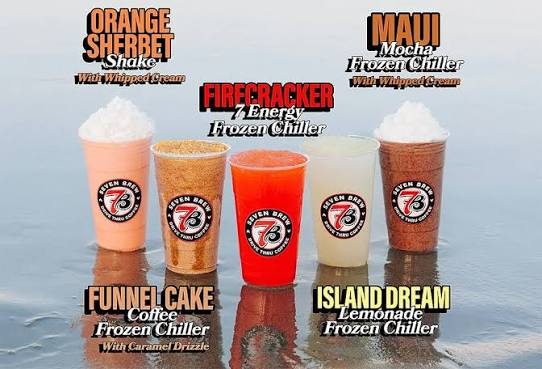
Seasonality can matter as well. Richer flavors may feel more appropriate during cooler months, while lighter and fruit-oriented combinations can be especially appealing when temperatures rise. Thus, the menu becomes connected to routine, weather, mood, and personal preference.
The Human Side of the Drive-Thru Ritual
Behind the menus and flavor combinations is a simple human behavior: people enjoy having small choices in otherwise repetitive days.
A drive to school, work, or an appointment can become an opportunity to make a personal selection. The interaction may take only a few minutes, yet that small ritual can provide familiarity and anticipation.
Furthermore, discovering a favorite drink can become social. Friends compare orders, family members remember each other’s preferences, and regular customers become familiar with particular combinations. The beverage therefore becomes part of a routine rather than merely a product purchased on the way somewhere else.
What Makes the Experience Memorable?
The strongest element is arguably the combination of speed, variety, and identity. Traditional cafés often emphasize atmosphere and lingering. Drive-thru beverage chains instead emphasize movement, accessibility, and customization.
Nevertheless, the two experiences are not necessarily opposites. Both respond to the same underlying desire for a satisfying beverage experience. One creates a physical destination, while the other incorporates the beverage into the customer’s existing routine.
In addition, the conversational nature of ordering can make the experience feel less transactional. When customers know what they like—or want to experiment—the interaction becomes a small moment of participation.
How to Think About the Menu Without Feeling Overwhelmed
A large beverage menu can initially seem complicated. Instead of trying to memorize every combination, it is more useful to think in terms of broad preferences.
Start by considering whether you want something coffee-based, fruity, creamy, refreshing, or energy-focused. From there, consider sweetness and flavor intensity. This approach makes experimentation easier because the customer is choosing according to taste rather than attempting to remember an enormous list.
Also, trying one new combination at a time can make the process more enjoyable. If several variables change simultaneously, it becomes harder to identify what you actually liked. Gradual experimentation, by contrast, turns ordering into a personal discovery process.
The Bigger Trend Behind Specialty Drive-Thru Beverages
The growth of customizable beverages reflects a larger change in consumer culture. People increasingly value products that allow participation rather than passive consumption. Whether the product is food, coffee, clothing, or entertainment, personalization has become a significant part of the modern marketplace.
7 brew drinks fit comfortably within that movement. The emphasis on combinations, variety, and convenience makes the beverage experience adaptable to individual preferences.
At the same time, the phenomenon illustrates how seemingly ordinary products can become cultural markers. A drink can represent a routine, a social recommendation, a seasonal habit, or simply a small reward at the end of a busy morning.
Conclusion
7 brew drinks are interesting not merely because of the number of choices available, but because they capture a changing relationship between consumers and everyday beverages. Coffee and specialty drinks have moved beyond simple functionality, becoming experiences shaped by customization, convenience, discovery, and social connection.
Ultimately, the appeal comes from flexibility. Customers can return to familiar favorites or experiment with something completely different. Meanwhile, the drive-thru format keeps the experience practical for modern routines. In that balance between speed and individuality lies the broader cultural significance of the menu: sometimes a small beverage choice can turn an ordinary part of the day into something distinctly personal.