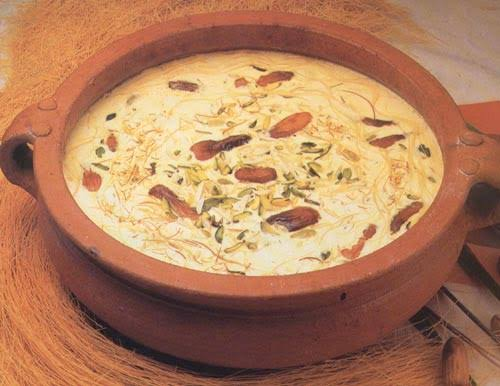
pakistani sheer khurma near me is more than a search for a traditional dessert; it often represents a search for familiarity, celebration, and the comforting flavors associated with Eid mornings and family gatherings. Across Pakistani homes and restaurants, sheer khurma has become closely connected with hospitality, where a simple bowl can carry memories of grandparents, childhood celebrations, visiting relatives, and long conversations after prayer. Although recipes vary from household to household, the dessert remains recognizable through its creamy milk base, dates, vermicelli, nuts, and gentle sweetness.
Why Sheer Khurma Holds a Special Place in Pakistani Food Culture
Sheer khurma occupies a distinctive place in Pakistani food culture because it is closely associated with Eid al-Fitr and the welcoming rituals that follow Ramadan. The name itself reflects its basic character, combining milk with dates, while regional and family recipes add ingredients according to preference. Consequently, the dessert can taste slightly different from one kitchen to another. Some families prefer abundant nuts, while others emphasize dates, cardamom, or toasted vermicelli. Yet the emotional meaning remains remarkably consistent.
The Search for Pakistani Sheer Khurma Near Me
When people search for pakistani sheer khurma near me, they are often looking for more than convenience. They may want the taste of a homemade dessert without preparing it themselves, or they may be searching for an authentic Pakistani version in an unfamiliar city. Therefore, the search can become a small culinary journey. Restaurant menus, Pakistani bakeries, community events, and home-based food businesses may all offer different interpretations, making it useful to look beyond photographs and consider ingredients, preparation style, freshness, and customer descriptions.
What Makes a Bowl Taste Traditionally Pakistani?
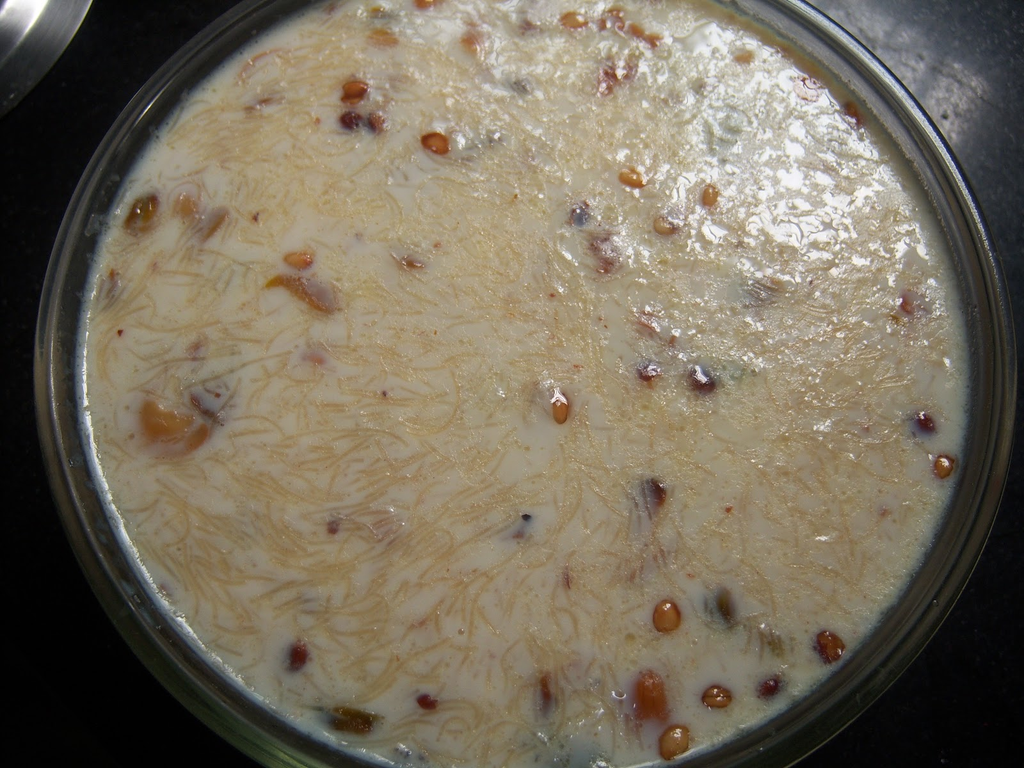
A traditional Pakistani-style sheer khurma generally depends on balance rather than an overwhelming amount of any single ingredient. Milk provides the creamy foundation, while fine vermicelli contributes texture and dates bring natural sweetness. Meanwhile, cardamom can provide a distinctive aromatic note, and almonds, pistachios, or other nuts add richness. Some recipes also include raisins, saffron, coconut, or rosewater. Because Pakistani cuisine has developed through many regional influences, there is no single universal recipe. Instead, authenticity often lives in familiar combinations and preparation methods.
From Eid Morning Kitchens to Local Food Counters
The story of sheer khurma is particularly interesting because it moves effortlessly between private kitchens and public food culture. Traditionally, families prepare it in generous quantities because Eid involves visiting relatives, neighbors, and friends. Over time, Pakistani restaurants and specialist food businesses have helped make the dessert available beyond the home. As a result, someone craving a festive bowl outside Eid can often encounter it through seasonal menus or specialty offerings. This movement from household tradition to commercial food culture demonstrates how familiar dishes adapt without losing their cultural identity.
How Ingredients Shape the Experience
The ingredients used in sheer khurma influence both its texture and its emotional character. Milk needs enough cooking time to develop a rich consistency, while vermicelli should remain tender without becoming excessively soft. Dates can create deeper sweetness and a slightly caramel-like flavor, whereas nuts introduce contrast. Furthermore, cardamom gives the dessert a fragrance that many diners immediately associate with South Asian sweets. When searching for Pakistani sheer khurma near me, asking about these details can help distinguish a carefully prepared version from one that simply uses the name on a menu.
The Difference Between Homemade and Restaurant-Style Sheer Khurma
Homemade sheer khurma often carries an element of individuality because cooks adjust sweetness, milk thickness, dates, and nuts according to family preference. Restaurant versions, by contrast, may be designed for consistency and broader customer tastes. Neither approach necessarily defines authenticity. Instead, they represent different ways of preserving the same culinary idea. A homemade bowl may evoke family history, while a restaurant serving can introduce the dessert to someone experiencing Pakistani cuisine for the first time. In both settings, preparation remains central to the final character.
A Dessert Built Around Hospitality
Perhaps the most meaningful quality of sheer khurma is its relationship with hospitality. During Eid, offering food to guests is not merely a practical gesture; it creates an opportunity to reconnect after a month of fasting and reflection. Consequently, serving sheer khurma can become part of a larger social ritual. Guests arrive, greetings are exchanged, and a warm or chilled bowl may follow tea and savory dishes. The dessert therefore works on two levels: it satisfies hunger while also communicating generosity, welcome, and affection.
What to Look for When Ordering Sheer Khurma
For anyone exploring Pakistani sheer khurma near me, a few practical details can improve the experience. First, check whether the dish is freshly prepared, particularly when ordering outside major festive periods. Next, look for descriptions mentioning milk, vermicelli, dates, cardamom, and nuts rather than relying only on the word “traditional.” Reviews can also reveal whether customers found the dessert overly sweet, watery, heavy, or pleasantly balanced. Finally, portion size matters because sheer khurma is rich, and a smaller serving can sometimes provide a better opportunity to appreciate its flavors.
Sheer Khurma Beyond the Eid Season
Although its strongest cultural association remains Eid, sheer khurma does not have to disappear when the celebrations end. Pakistani restaurants and home cooks sometimes prepare variations throughout the year, especially for family occasions and gatherings. Moreover, its ingredients are familiar enough to make it approachable for people discovering South Asian desserts. This broader presence reflects an important characteristic of food traditions: dishes can remain rooted in a particular celebration while gradually becoming part of everyday culinary culture. Sheer khurma demonstrates how heritage can remain meaningful even as circumstances change.
A Small Bowl with a Large Cultural Story
The enduring appeal of sheer khurma comes from its ability to connect taste with memory. For one person, it may recall an Eid breakfast at a childhood home; for another, it may be the first Pakistani dessert they encounter through a local restaurant. Either way, the dish offers more than sweetness. Its ingredients tell a story about South Asian kitchens, while its association with hospitality reveals something about the social role of food. Ultimately, finding pakistani sheer khurma near me can become an invitation to experience a tradition rather than simply purchase a dessert.
Frequently Asked Questions
Is sheer khurma specifically a Pakistani dessert?
Sheer khurma is strongly associated with South Asian Muslim food traditions, including Pakistan, India, and other communities. Pakistani versions commonly feature milk, vermicelli, dates, nuts, and aromatic spices, although recipes differ between families and regions.
Is sheer khurma only eaten on Eid?
It is especially associated with Eid al-Fitr, when it is traditionally served to family members and guests. However, people can enjoy it throughout the year, particularly during family gatherings and special occasions.
What ingredients are usually found in sheer khurma?
Common ingredients include milk, fine vermicelli, dates, cardamom, almonds, pistachios, and sometimes raisins or saffron. Individual recipes may add or omit ingredients according to regional and family preferences.
How can I find an authentic version locally?
Look for Pakistani restaurants, bakeries, caterers, or home-based food businesses that describe their preparation clearly. Reviews can also help identify places where customers specifically mention traditional flavor, fresh preparation, and balanced sweetness.
Conclusion
Pakistani sheer khurma remains a remarkable example of how food can preserve cultural memory while adapting to modern life. Its creamy texture, vermicelli, dates, nuts, and cardamom create a recognizable flavor, but its deeper significance comes from the occasions surrounding it. From crowded Eid kitchens to local restaurants serving seasonal specialties, the dessert continues to bring people together. Therefore, a search for pakistani sheer khurma near me is ultimately not just about locating something sweet nearby. It can be a search for tradition, hospitality, nostalgia, and the feeling of sharing something meaningful with others.