Introduction
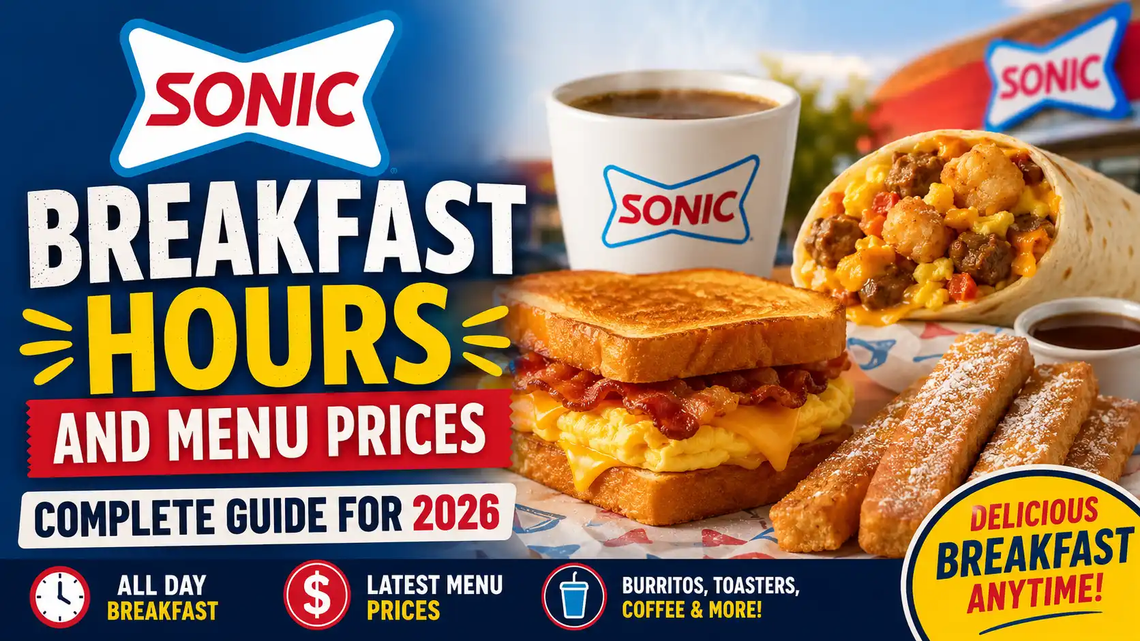
Sonic Breakfast Hours represent more than a simple schedule for morning food; they are part of a distinctly American fast-food ritual built around convenience, customization, and the relaxed rhythm of the drive-in. For commuters grabbing breakfast before work, families making an early weekend stop, or travelers looking for something quick on the road, the morning menu can become a small but meaningful part of the day. However, breakfast availability is not necessarily identical at every location, making timing an important part of the experience.
The Morning Appeal of Sonic
The appeal of Sonic breakfast begins with its unusual combination of speed and informality. Unlike a conventional restaurant where diners sit down and wait for a server, the drive-in format allows customers to remain in their cars while ordering and eating. Consequently, breakfast can feel less like a formal meal and more like a personal morning pause.
For many customers, that flexibility is part of the attraction. A person heading to work can order a breakfast sandwich and drink without leaving the vehicle, while someone enjoying a slower morning can take more time with the menu. In addition, the broad selection of drinks and customizable items gives breakfast a more individualized character than a standardized morning routine might suggest.
What Sonic Breakfast Hours Mean for Early-Morning Customers
Understanding Sonic Breakfast Hours is particularly important for customers who begin their day early. Breakfast service generally follows the restaurant’s operating schedule, but exact opening and breakfast availability can vary by location. Therefore, checking the specific restaurant before leaving home is a sensible habit, especially when breakfast is the primary reason for the visit.
This small uncertainty reflects a broader reality of modern food culture: national brands create a recognizable identity, but individual locations often operate according to local circumstances. Staffing, customer demand, franchise decisions, and regional schedules can all influence how a restaurant serves its morning menu.
Why Breakfast Timing Matters More Than It Seems
A breakfast schedule may appear like a minor detail, yet timing shapes the entire customer experience. Someone arriving shortly after opening expects a quick, reliable meal, while a person arriving later may discover that the breakfast menu has changed or that certain morning items are no longer available.
Moreover, breakfast has a psychological relationship with time. Morning food is associated with routines, deadlines, school runs, commutes, and weekend traditions. As a result, knowing when breakfast is served can determine whether a restaurant becomes part of someone’s daily ritual or simply remains an occasional stop.
A Menu Designed for Different Kinds of Mornings
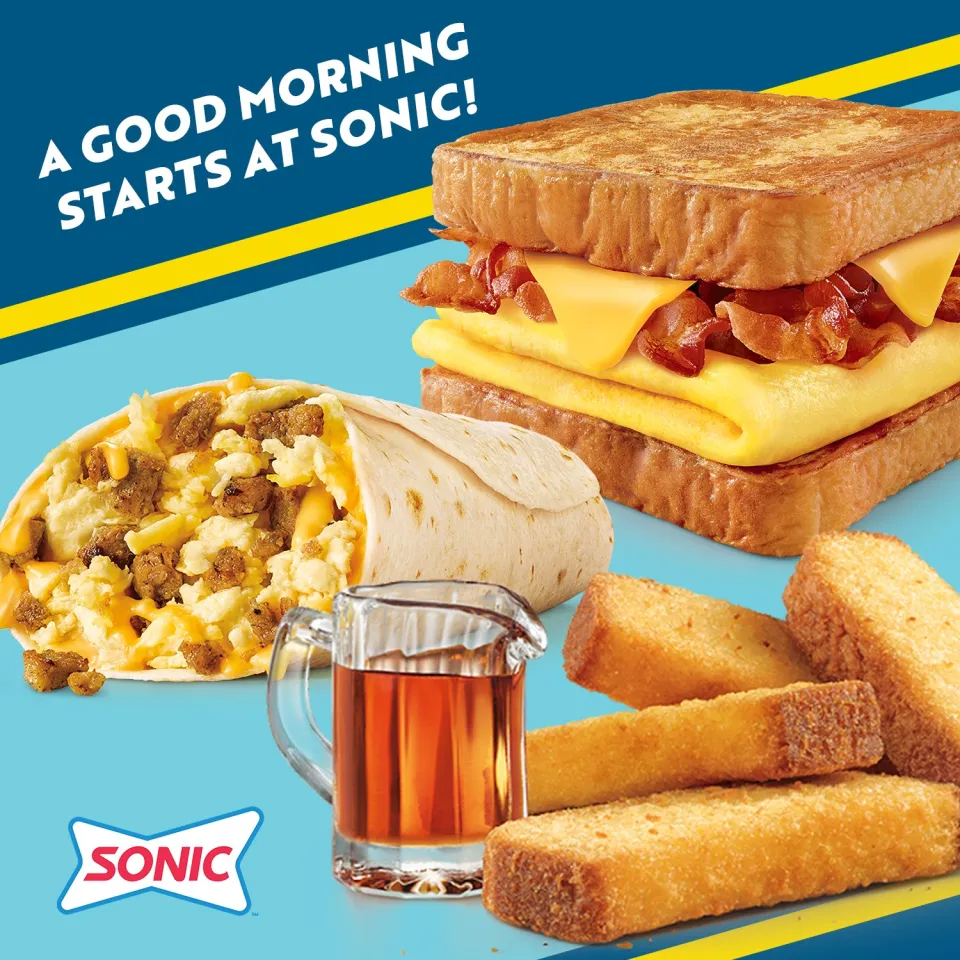
The Sonic breakfast experience is built around familiar comfort foods rather than an elaborate dining concept. Breakfast sandwiches, burritos, sides, and drinks provide options for customers with different appetites and schedules. Some want something substantial, while others simply need coffee or a cold beverage to begin the day.
At the same time, customization plays an important role. Customers can often adapt their orders according to personal preferences, which makes the experience feel more flexible. That ability is especially valuable in the morning, when people frequently have strong preferences about what they can comfortably eat before work or travel.
The Drive-In as a Cultural Experience
Sonic’s drive-in model gives its breakfast service a cultural identity that distinguishes it from many competing fast-food chains. The car becomes a temporary dining room, office, meeting place, or quiet personal space. In that sense, breakfast does not necessarily have to happen inside a restaurant to feel like a social experience.
Interestingly, this format also connects modern fast food with older American roadside culture. Drive-ins historically offered motorists a combination of mobility and hospitality, and Sonic preserves elements of that tradition in a contemporary setting. Thus, breakfast at the drive-in becomes part of a longer story about how Americans have used cars to reshape everyday eating.
Weekday Breakfast Has Its Own Rhythm
During the week, breakfast customers are often driven by schedules. Parents may be taking children to school, employees may be commuting, and students may be trying to fit food into a crowded morning. Consequently, speed and predictability become especially important.
A dependable breakfast stop can develop into something surprisingly personal. The same employee may visit repeatedly, order a familiar combination, and associate that meal with the beginning of another workday. Although the transaction is brief, repetition gives it meaning.
Weekend Mornings Change the Experience
Weekend breakfast has a different emotional tempo. Instead of rushing toward a meeting or school, customers may have more freedom to enjoy their morning. A drive to pick up breakfast can become part of a family outing, a casual date, or simply a reason to get out of the house.
Because of this slower rhythm, breakfast can become less about efficiency and more about atmosphere. The food remains casual, but the surrounding experience can feel memorable. A sunny morning, a long drive, or a conversation in the car can transform an ordinary fast-food purchase into a small weekend tradition.
Checking the Schedule Before You Go
Because restaurant hours can vary, customers should confirm their local location’s current opening time and breakfast availability before making a dedicated morning trip. This is particularly useful on holidays, weekends, or in areas where individual restaurants have different operating schedules.
A quick check can also help customers avoid disappointment when they are traveling. Instead of assuming that every Sonic location follows exactly the same timetable, treating the schedule as location-specific is the more reliable approach.
| What to Check | Why It Matters |
|---|---|
| Opening time | Determines when a morning visit is possible |
| Breakfast availability | Individual locations may have different practices |
| Holiday schedule | Hours can change on special dates |
| Menu availability | Certain breakfast items may vary by location |
| Ordering options | Mobile, drive-in, or other ordering methods may differ |
Breakfast, Convenience, and the Modern Consumer
The popularity of fast-food breakfast reflects a larger transformation in how people organize their mornings. Traditional breakfast at home remains important, but increasingly fragmented schedules have created demand for meals that fit around work, education, commuting, and family responsibilities.
Sonic occupies an interesting position within that landscape. It does not simply sell breakfast as nourishment; it packages breakfast as a convenient experience. The customer can remain in the car, customize an order, choose a drink, and continue the journey with minimal interruption.
An Expert Perspective on the Morning Ritual
Imagine a conversation with a food-culture researcher in a quiet café on a weekday morning. Outside, commuters move through the city while the researcher reflects on why seemingly ordinary breakfast routines matter.
Q: Why do restaurant breakfast hours matter so much to customers?
A: Because breakfast is tightly connected to routine. People often organize their morning around very small windows of time. When a restaurant fits naturally into that window, it becomes part of a person’s routine rather than merely another food option.
Q: What makes a drive-in breakfast culturally interesting?
A: The car changes the social environment. You’re simultaneously traveling, eating, talking, and occupying private space. That mixture creates an experience that traditional restaurants cannot completely reproduce.
Q: Does convenience necessarily make food less meaningful?
A: Not at all. Meaning comes from repetition and context. A breakfast purchased quickly can still become associated with a first job, a family tradition, a road trip, or an important period in someone’s life.
Q: Why is customization important in modern fast food?
A: Customers increasingly expect food to adapt to them. Customization provides a sense of control, and that can be particularly appealing when people are making decisions early in the morning.
Q: What can breakfast tell us about American culture?
A: It shows how strongly mobility and convenience shape everyday life. Breakfast is a small window into larger questions about work, transportation, family, and how people spend their limited time.
The Human Side of a Simple Breakfast
Behind every breakfast order is a different story. One customer may be celebrating a new job, another may be returning home after a night shift, while someone else may simply be searching for a familiar meal on an unfamiliar road. Food businesses become interesting cultural spaces precisely because they bring these different lives into contact.
Furthermore, the morning is often an emotionally significant time. People begin new routines, think about the day ahead, and establish small habits that provide comfort. A familiar breakfast can therefore offer continuity even when everything else feels unpredictable.
How Sonic Breakfast Hours Fit Into the Larger Food Landscape
The broader fast-food industry has increasingly treated breakfast as an important part of the day rather than a secondary meal. Competition for morning customers has encouraged restaurants to develop recognizable menus, convenient ordering systems, and distinctive beverages.
Sonic’s identity remains particularly tied to the drive-in experience. Its breakfast offering therefore sits at the intersection of convenience and nostalgia. While the menu serves contemporary consumers, the setting recalls an older vision of roadside America in which the car was central to both transportation and social life.
Conclusion
Sonic Breakfast Hours may seem like a straightforward question of when morning food is available, but the subject opens a wider window into contemporary eating habits. Breakfast is shaped by schedules, mobility, convenience, family routines, and personal preference. Meanwhile, the drive-in format adds a distinctive cultural dimension, turning the car into a place where people can briefly stop, eat, talk, and prepare for the day ahead.
Ultimately, the value of a breakfast stop is rarely found in the food alone. It exists in the routine surrounding it: the familiar order, the early drive, the quiet conversation, or the feeling of beginning another day with something dependable. That is why understanding the local schedule matters. The right breakfast hour is not simply a matter of timing; for many customers, it is the moment when an everyday ritual begins.